
What Are the Key Things You Will Need in the Event of Power Loss?
Most people treat power outage like a short inconvenience. The lights go out, the phone battery starts dropping, and everyone assumes the problem will be fixed soon. Sometimes that happens. Sometimes it does not.
That casual mindset is where many families get caught off guard.
Power loss is becoming a bigger issue than many people want to admit. Storms, equipment failures, overloaded systems, extreme heat, extreme cold, and regional disruptions can all leave families without electricity longer than expected. When that happens, the problem is not just comfort. It becomes about water, food, shelter, communication, health, and how well your household can function when the systems you depend on suddenly stop working.
Power outage preparedness is not about fear. It is about being practical.
If your plan is to wait, hope, and assume someone else will solve the problem fast enough, you do not really have a plan. A better approach is to build a simple, sustainable outage kit that helps your family handle the basics for up to two weeks. You do not have to buy everything at once. You do need to think it through before the power goes out.
———
Why Power Loss Deserves More Serious Thought
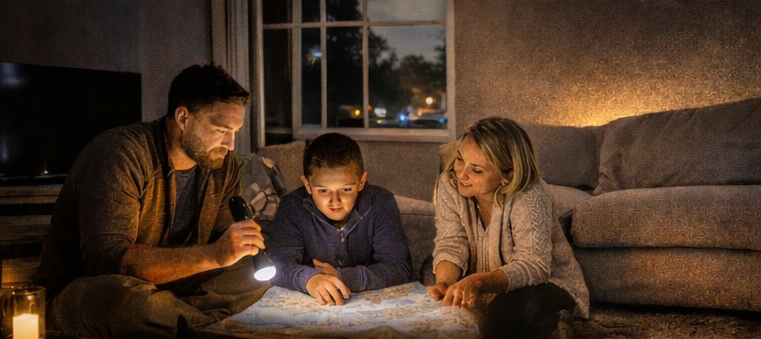
A lot of preparedness advice focuses on 24 to 72 hours. That is a fine starting point, but it may not be enough for a real household emergency.
For beginners and families, a better mindset is to prepare for a two-week disruption in the essentials. That does not mean stocking your home like a bunker. It means thinking ahead about what your family truly needs if normal systems are unavailable longer than expected.
The goal is simple. Keep your household safe, fed, hydrated, warm, informed, and functioning.
When power goes out for an extended period, everyday conveniences become real problems fast. A private well may stop working. A furnace may not run. A sump pump may fail during heavy weather. Refrigerated food may spoil. Medical devices may need power. Internet and phone charging become more important, not less. Small problems start stacking up.
That is why a basic power outage preparedness plan should not be built around comfort first. It should be built around survival, stability, and a calm ability to keep going.
———
The Three Big Priorities: Water, Food, and Shelter
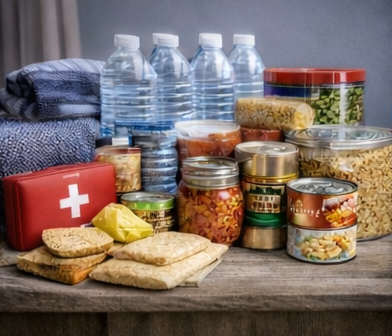 When people think about power loss, they often picture flashlights and batteries. Those matter, but they are not the whole picture. The real foundation is much simpler.
Water
Water is one of the first things many households overlook.
If you are on a private well, power loss may mean no running water at all unless you have backup power. Even if you are on city water, it is still smart to store extra water ahead of time. Drinking water matters first, but it is not the only need. You also need water for cooking, basic hygiene, pets, and sanitation. Even something as simple as washing up can make a huge difference in morale during a stressful week.
A basic plan should include stored water and a realistic idea of how much your household uses in a day. Many people underestimate this badly.
Food
Do not build your outage food plan around the refrigerator and freezer alone.
Yes, those can buy you some time. Yes, a generator can help preserve cold storage. But a strong basic plan should assume you need shelf-stable food that will last without power. Canned foods, dry goods, ready-to-eat meals, shelf-stable milk, peanut butter, rice, pasta, soups, crackers, oats, protein bars, and other pantry staples are much more reliable in a long outage than hoping the freezer holds.
The best outage foods are simple, familiar, easy to rotate, and easy to prepare. This is not the time to rely on complicated specialty items your family never eats.
Shelter
Shelter means more than just having a roof over your head. In a power outage, shelter means staying safe inside your home with enough warmth, bedding, clothing, sanitation, and backup options to make the house livable.
In many parts of the country, you can survive without air conditioning. Heat is a much more serious issue. Cold weather outages can become dangerous fast, especially for children, seniors, and anyone with health concerns.
A shelter plan should include blankets, layered clothing, safe heat planning, sleeping arrangements, and a way to keep the household together in the warmest usable part of the home if needed.
———
Why Backup Power Matters More Than Many People Realize
 Power is often underrated in outage planning.
People sometimes assume they can rough it for a while and be fine. In some cases, that is true. But for many homeowners, power loss quickly affects much more than lights.
Think about what electricity may be doing in your home right now:
- running the furnace blower
- powering a well pump
- keeping the sump pump working
- preserving refrigerated medicine
- charging phones
- supporting internet access for news and communication
- powering medical devices
- keeping basic lighting available after dark
That is why many homeowners should strongly consider a generator.
Not every home needs a huge whole-house setup. Not every family needs to spend a fortune. But many households would benefit from a practical backup power plan that can keep key systems running during a prolonged outage.
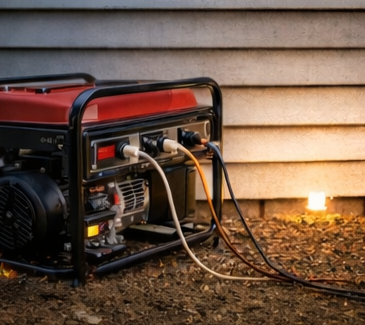
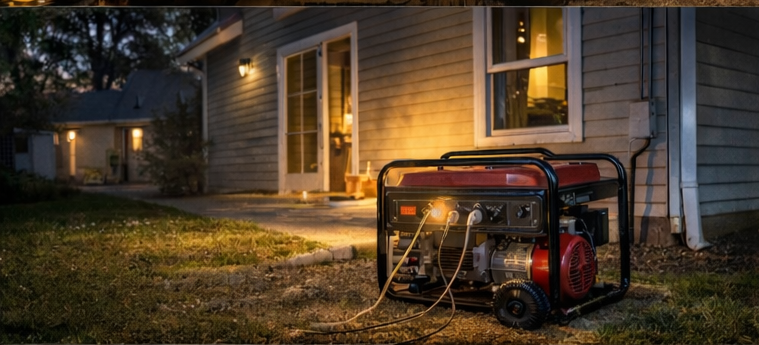
A portable generator is often the most realistic starting point for families. It can help sustain critical functions without requiring the cost of a larger standby system. A stronger long-term option may be a larger generator setup with a transfer panel that safely connects critical circuits between your generator and your main electrical panel.
That transfer panel matters. If you plan to use a generator, it is worth thinking through the setup safely and ahead of time. Too many people wait until an outage is already happening and then realize they do not have a practical way to use backup power where it matters most.
On the other hand, expensive battery backup systems for the house can be overrated for many families. They sound attractive, but they may not be the best first investment if your basic outage planning is still weak. Water, food, shelf-stable supplies, safe heat planning, and a realistic generator strategy often deserve attention first.
———
Critical Home Systems to Think Through Before an Outage
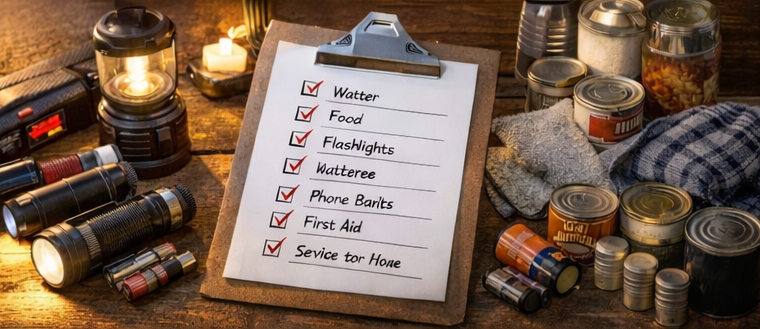
Every family is different, but these are some of the biggest systems to evaluate before an outage happens.
Heating
If your furnace depends on electricity, what happens when the power goes out? Do you have a backup plan to keep the house safely warm?
Water Access
If you are on a private well, how will you get water without power? This one issue alone can change your entire preparedness plan.
Food Storage
How long can you keep refrigerated or frozen items usable? What shelf-stable backup do you already have?
Sump Pump
If your basement depends on a sump pump, power loss during storms can become a major home protection issue.
Medical Devices
Any household with medical needs should have a much more serious power plan than the average home.
Phone Charging and Internet
Communication matters. News matters. Updates matter. Staying informed helps people make better decisions and stay calmer.
Lighting
You do not need a complicated setup, but you do need dependable light sources that are easy to use and easy to find in the dark.
———
Planning for Children, Seniors, Pets, and Medical Needs
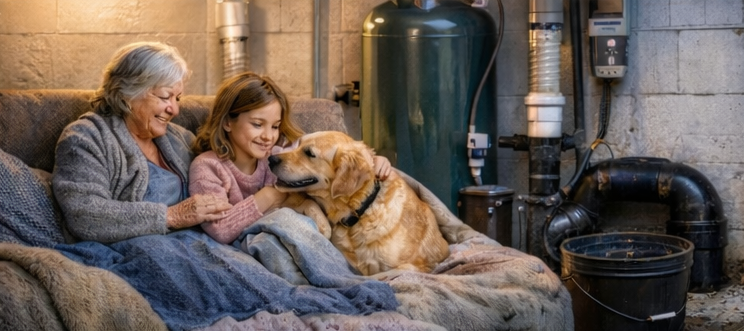 Preparedness is not just about gear. It is about people.
A power outage preparedness plan should account for the real needs inside your home, including children, seniors, pets, and anyone with medical concerns.
Kids do better when routines stay as normal as possible. Think snacks, comfort items, lighting, warmth, and simple activities. Older adults may be more vulnerable to cold, heat, medication issues, mobility limits, and stress. Pets need food, water, medication, waste cleanup, and a safe place to stay comfortable. Any household with refrigerated medicine, powered equipment, or regular medical needs should put those items at the top of the planning list.
It helps to think through your household one person at a time. What does each person need to stay safe, functional, and calm for two weeks?
———
Sanitation, Hygiene, and Morale During a Long Outage
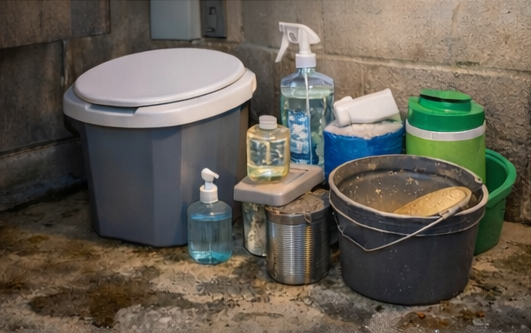 Many people focus on food and forget how much hygiene affects daily life during an outage.
A shower or bath is not just about cleanliness. It can also be a major morale boost. Washing up, changing clothes, keeping dishes managed, and staying on top of basic sanitation can make a stressful situation feel much more manageable.
Think through:
- bathing and washing
- hand cleaning
- toilet needs if water access becomes limited
- laundry workarounds
- trash control
- paper goods and cleaning supplies
Morale matters too. A household that stays cleaner, more organized, and better informed usually handles stress better. In a long outage, that emotional steadiness matters.
———
Communication and Staying Informed
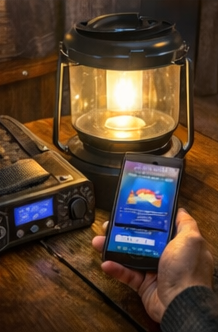 When power is out, people still need information.
You want a way to charge phones, monitor weather and emergency updates, communicate with family, stay aware of what is happening in your area, and know when conditions are improving or getting worse.
Internet access can be valuable if it is still available. So can battery backups for devices, a basic radio, and a plan for how your household will stay informed.
———
A Simple Power Loss Checklist
Here is a basic checklist to help you think through your household needs without making the process feel overwhelming.
Water
- stored drinking water
- water for cooking
- water for hygiene
- water for pets
- backup plan if your home uses a private well
Food
- two weeks of shelf-stable food
- simple meal options your family already eats
- manual can opener
- basic cooking backup if needed
Shelter
- blankets and warm clothing
- safe heat planning
- sleeping arrangements
- weather-appropriate supplies
Power
- flashlights or lanterns
- batteries
- phone charging options
- generator plan if appropriate
- safe connection plan for critical home systems
Health and Hygiene
- medications
- first-aid supplies
- sanitation supplies
- hygiene products
- special items for children, seniors, pets, or medical needs
Communication
- radio or updates source
- charged phones
- contact plan
- internet backup if possible
Household Protection
- sump pump plan
- refrigerator and freezer plan
- basic tools
- fuel plan where appropriate
———
A Budget-Friendly Way to Start
A lot of families never begin because they assume preparedness has to be expensive.
It does not.
The smartest approach is to start with the basics and build in layers. A calm, budget-friendly plan is better than an expensive idea that never gets finished.
Start Here
Focus on the basics first:
- stored water
- shelf-stable food
- flashlights
- batteries
- phone charging backup
- blankets
- medications
- sanitation supplies
Stronger Option
Next, fill in the gaps:
- larger pantry supply
- better lighting
- more organized storage
- radio
- backup cooking method
- extra fuel where needed
- improved family communication plan
Longer-Term Upgrade
Then think through bigger household resilience:
- generator
- transfer panel
- critical circuit planning
- extended water strategy
- sump pump backup
- more complete heating plan
That structure gives people a path without making the article feel like a sales pitch.
———
Helpful Gear to Consider
If you are building out your power outage preparedness plan, these are some practical items worth looking at.
Start Here
- water storage containers
- shelf-stable pantry foods
- manual can opener
- LED flashlights
- extra batteries
- power banks for phones
- blankets
- basic first-aid kit
Stronger Option
- LED lanterns
- weather radio
- rechargeable batteries and charger
- camp stove or simple backup cooking option
- organized pantry bins
- sanitation supplies
- pet supply storage
- larger water storage options
Longer-Term Upgrade
- portable generator
- fuel storage system
- heavy-duty extension cords rated for correct use
- transfer panel equipment
- sump pump backup options
- larger backup power strategy for critical systems
The key is not buying everything at once. The key is buying the right things in the right order.
———
What To Do in the Next 7 Days
The first week should be about getting the basics in place.
- Count how many people, pets, and medical needs your household has.
- Check how much water and shelf-stable food you already have.
- Buy enough basic supplies to handle the short term.
- Gather flashlights, batteries, chargers, blankets, and medications in one place.
- Write down your biggest household risks, such as no well water, no furnace, or no sump pump.
- Decide how you would stay informed during an outage.
That first step alone will put many families ahead of where they are now.
———
What To Do in the Next 30 to 60 Days
Once the basics are covered, improve your plan.
- Expand food and water storage toward a two-week goal.
- Organize supplies so they are easy to find.
- Test your lighting, charging, and communication items.
- Decide whether a generator makes sense for your home.
- Think through critical systems like heat, well access, sump pump needs, and medical equipment.
- Look into a transfer panel if backup power is part of your plan.
- Fill in the overlooked items like sanitation, pet supplies, and morale basics.
Preparedness gets much easier when you break it into steps.
———
Final Thoughts on Power Outage Preparedness
A power outage does not have to become a family crisis. But it can if you treat it too casually.
The families who do best are usually not the ones with the fanciest gear. They are the ones who thought ahead, covered the basics, and built a realistic plan around their own home and their own needs.
That means water, food, shelter, backup power for critical functions, sanitation, communication, a way to stay warm, a way to stay informed, and a way to keep going if help is delayed.
You do not need panic. You need a plan.
Start with what matters most. Evaluate your household honestly. Prioritize your biggest risks. Then take simple steps over the next 7 days and build from there over the next 30 to 60 days.
That is how practical preparedness works. One calm decision at a time.
• • • • •
FAQ Section
How much water should I store for a power outage?
Start with enough for drinking, cooking, hygiene, and pets. Many families only think about drinking water, but daily needs are usually higher than expected, especially during a long outage.
What kind of food is best for a long power outage?
Shelf-stable food is the best starting point. Canned foods, dry goods, ready-to-eat meals, oats, pasta, rice, peanut butter, and other pantry basics are more reliable than depending on a refrigerator or freezer.
Do most homeowners need a generator?
Not every household needs one right away, but many homeowners should strongly consider a generator if they depend on electricity for heat, well water, sump pumps, refrigeration, or medical needs.
Is whole-home battery backup worth it?
It may be useful in some homes, but it is often overrated for families who have not yet covered the basics. Water, food, heat planning, and a practical generator setup often matter more at the start.
What should I do first if I am just getting started?
Start with the basics. Build a simple outage kit with water, shelf-stable food, flashlights, batteries, phone charging options, blankets, medications, and sanitation supplies. Then expand your plan over the next 30 to 60 days.





0 Comments