
Olympic National Park Guide for First-Time Visitors
Olympic National Park Washington is the kind of place that makes one trip feel like several adventures rolled into one. You can spend part of the day looking out from mountain viewpoints, another part walking through lush rain forest, and another watching waves crash along a rugged Pacific shoreline. That range is a big reason Olympic stands out among national parks in the Pacific Northwest. NPS highlights major areas such as Hurricane Ridge, Hoh Rain Forest, Lake Crescent, and the coastal sections near Rialto and Ruby Beach, and those places alone show how varied the park can feel.
Quick Overview
Olympic National Park covers a huge section of Washington’s Olympic Peninsula and is known for mountains, coastline, lakes, old-growth forest, and temperate rain forest. It is a strong fit for families, couples, hikers, campers, and travelers who like scenic drives with the option to stop often and explore. One of the most helpful things to know before planning is that the park is large enough that drive time matters. NPS trip-ideas guidance makes it clear that trying to cover too much in one day can leave you rushed, so a slower approach usually works better.
Why Visit This Destination
A common reason people choose Olympic National Park Washington is variety. Not every park gives you such a strong mix of ecosystems within one destination. The official park materials encourage visitors to experience subalpine areas, coast, temperate rain forest, and lowland forest, which says a lot about the range packed into this one place.
For travelers who like scenic variety without needing one single extreme activity, Olympic is especially appealing. You do not have to be a serious backpacker to enjoy it. A trip can include overlooks, lakeside stops, short walks, beach scenery, visitor centers, and only as much hiking as your group wants to handle. That flexibility makes it attractive for mixed-age groups and families.
Top Things to Do
Start with Hurricane Ridge if conditions allow. NPS calls it the most easily accessed mountain area in the park, and on clear days it offers some of the most memorable views.
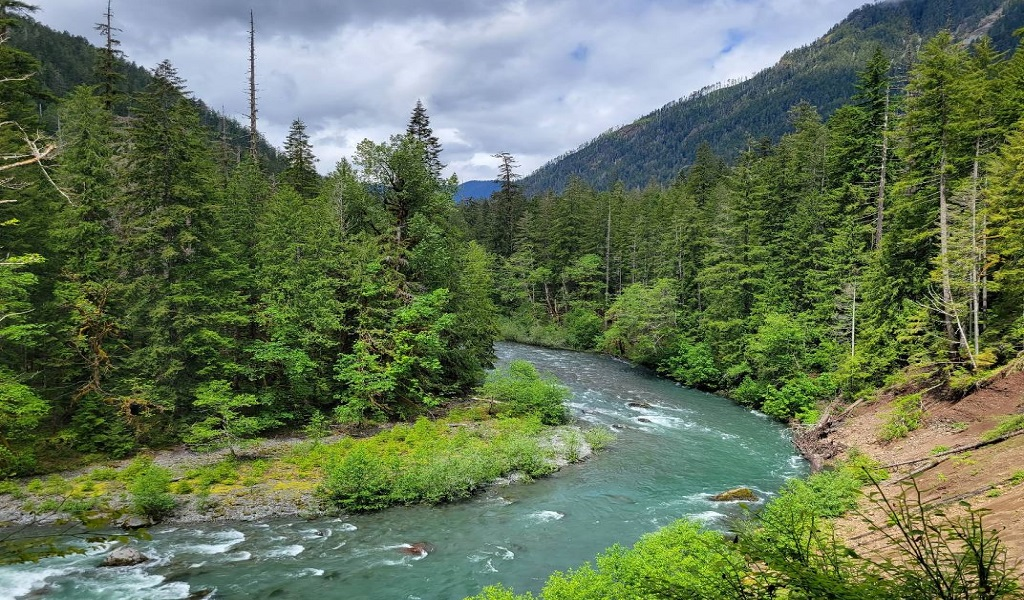
Visit the Hoh Rain Forest for the deep-green, moss-draped atmosphere Olympic is famous for. NPS points to short loops such as the Hall of Mosses and Spruce Nature Trail as good ways to experience the area without committing to a long hike.
Spend time around Lake Crescent for clear water, forest scenery, and a calmer change of pace. It is one of the prettiest parts of the park and works well for travelers who want scenic payoff without a complicated outing.
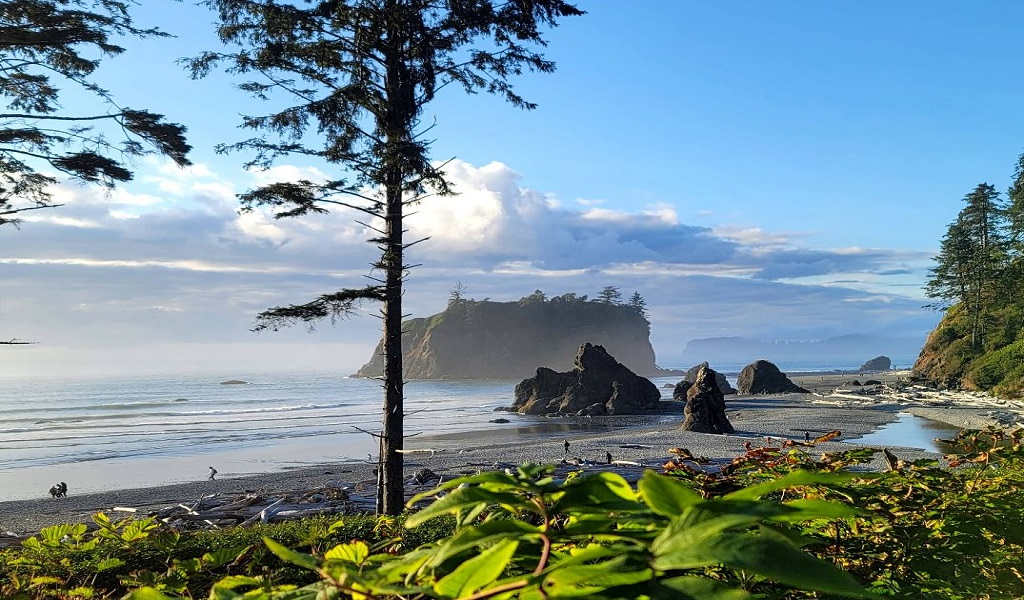
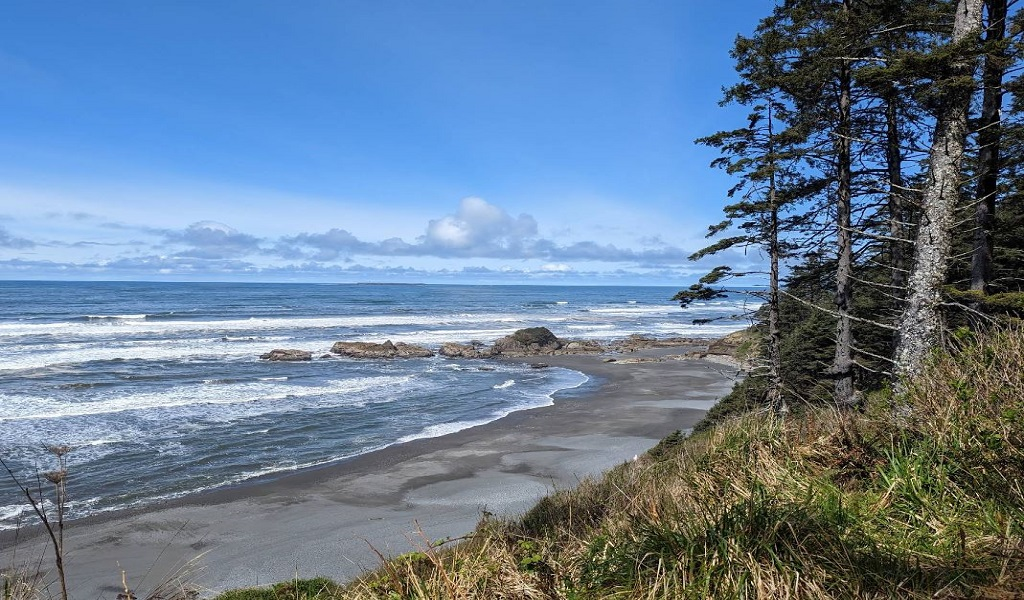
Head to Rialto Beach or Ruby Beach for rugged shoreline scenery and sea stacks. Coastal areas are a major part of what makes Olympic distinct, but beach route planning matters because NPS warns that tides and safety conditions can affect access.
If your group enjoys waterfalls, the broader Olympic Peninsula also supports good add-on stops, and Sol Duc is one of the best-known areas for trail-based forest scenery.
Family-Friendly Factors
Olympic National Park Washington works well for families because it offers options. Some family trips lean heavily on short trails, scenic pull-offs, lakeshore stops, and beaches rather than long mileage days. That is a smart way to approach the park. NPS trip planning suggests that even a full day can feel tight when trying to see too many regions, so keeping expectations realistic helps children and adults enjoy the trip more.
Families also benefit from building a trip around a base area such as Port Angeles or another peninsula hub, then choosing one or two major park zones per day. That reduces backtracking and makes room for snacks, weather changes, and the spontaneous stops that often become the favorite part of the trip.
Outdoor Highlights
The outdoor highlights are not limited to one activity. Olympic supports hiking, camping, sightseeing, photography, wildlife watching, backpacking, beach walking, and scenic driving. The Wilderness Information Center is useful for travelers who want reports, permits, and advice before heading deeper into backcountry areas.
For many travelers, the best approach is not trying to “do everything,” but choosing the style of day you want. One day can focus on mountain views and lakes. Another can focus on rainforest trails and a beach stop. That kind of pacing matches the way the park is laid out and usually makes the experience feel more relaxed.
Best Time to Visit
Summer is often the easiest season for first-time visitors because roads, facilities, and lodging patterns are generally more predictable, and reservations are especially important then. NPS notes that in-park lodging books quickly, particularly in July and August.
That said, Olympic is not only a summer destination. Different parts of the park shine in different seasons. Higher elevations can be affected by snow and winter conditions, while lower-elevation and coastal areas can remain valuable parts of a trip. Because access can change with wind, flooding, snow, and construction, checking conditions close to departure is part of best practice.
Practical Tips Before You Go
First, do not underestimate drive times. Olympic is large, and seeing the park well usually means making choices rather than trying to cover every famous stop in one day. NPS trip ideas are helpful for understanding how much is realistic.
Second, check current conditions and access before your trip. That matters for mountain areas, beach routes, construction impacts, and accessibility planning.
Third, reserve lodging early if you want to stay in or near popular areas. NPS advises that reservations are strongly encouraged, especially during peak season.
Fourth, for beach visits, pay attention to tide and safety information. Some coastal routes are much more condition-dependent than casual visitors expect.
Camper Bob note: sometimes the best national park strategy is not “more stops.” It is a good map, a realistic plan, and enough margin to enjoy the places you actually came to see.
Nearby Attractions
A trip to Olympic National Park Washington often pairs well with the broader Olympic Peninsula. NPS specifically mentions places and routes that connect well with park visits, including the Mora area and the Makah region near Neah Bay and Cape Flattery.
You can also use peninsula tourism resources to find additional scenic stops, waterfall ideas, and loop-drive inspiration. That can be especially helpful if you are building a longer road trip rather than a one-day visit.
Is It Worth Visiting?
Yes, for most travelers Olympic National Park is worth visiting, especially if you enjoy natural variety and do not mind some driving between major areas. Its strongest advantage is not just one famous viewpoint. It is the combined experience of mountains, beaches, rain forest, lakes, and forest roads that makes the trip feel memorable. Official trip-planning material strongly reinforces that this is a park best experienced through a few distinct regions rather than one single attraction.
It may be less ideal for travelers who want a compact park with short drive times between all major highlights. But for road trippers, photographers, hikers, and families who like building a flexible itinerary, it is one of the more rewarding national park destinations in Washington.
FAQs
Is Olympic National Park good for families?
Yes. It works well for families because you can mix scenic stops, short walks, beaches, and visitor-friendly viewpoints.
What are the main areas to see first?
Hurricane Ridge, Hoh Rain Forest, Lake Crescent, and the Mora area are among the top places NPS highlights for many visitors.
Do I need to plan around weather and access?
Yes. NPS notes that wind, flooding, snow, construction, and coastal tide conditions can affect travel.
Is Olympic National Park good for hiking?
Yes, from short loops to wilderness routes, the park supports a wide range of hiking options.
Should I book lodging ahead of time?
Yes. Reservations are strongly encouraged, especially in summer.

Final Take from Camper Bob
Olympic National Park Washington is a great choice for travelers who want more than one kind of scenery in the same trip. It feels big, varied, and adventurous without requiring every visitor to take on a demanding itinerary. If you plan realistically, check conditions before you go, and give each area enough breathing room, Olympic can deliver one of those trips that stays in your memory a long time. For Camper Bob readers, that is usually a good sign you picked the right destination.
Great Fit for:
- Best for travelers who enjoy scenic variety, flexible road-trip style exploring, photography, short hikes with big payoff, and slower-paced multi-stop adventures. It is especially strong for mixed groups where not everyone wants the same activity level
CamperBob is your guide for exploring & creating new adventures.
Travel Adventures
Adventure is calling—pack light, chase new horizons, and collect unforgettable travel stories along the way.
Camping & Hiking
Adventure is calling! Gear up, hit the trails, and make unforgettable memories with camping and hiking trips that bring you closer to nature and the ones you love.
RV Living & Journeys
Transform your RV experience with tips and top-rated products, ensuring every journey is comfortable, efficient, and unforgettable.
Outdoor Cooking
Fire up the flavor! Explore outdoor cooking tips and delicious campfire recipes that turn every meal into a tasty adventure under the open sky.

0 Comments