
Kids Camping Essentials Checklist: What Every Family Needs for Stress-Free Outdoor Adventures
Camping with kids can be one of the best ways to slow down, spend real time together, and make family memories outdoors. It can also feel like a lot to manage, especially if you are new to family camping. Parents often worry about forgetting important gear, handling messy campsites, keeping kids entertained, and making sure everyone sleeps well enough to enjoy the next day.
That is where a good kids camping essentials checklist can make a big difference. When you pack with a plan, the trip feels less stressful and much more enjoyable. You do not need every gadget on the market, but you do need the basics that support shelter, sleep, meals, safety, comfort, and fun.
This guide walks through the main essentials families should think about before heading out. Whether you are tent camping at a state park, pulling into a campground in an RV, or trying a short weekend trip close to home, these are the items and simple strategies that can help make the experience smoother from start to finish.
Why a Kids Camping Essentials Checklist Matters
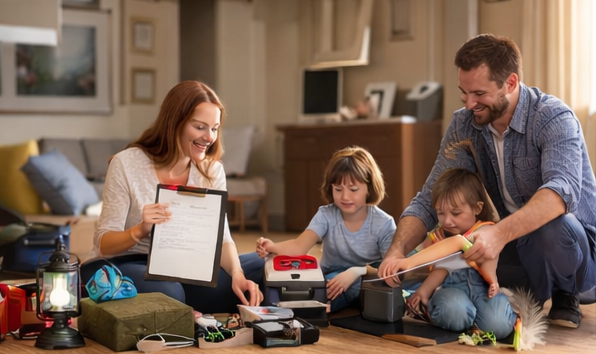 Camping with kids is not just regular camping with smaller chairs and shorter legs. Kids have different needs, shorter attention spans, and less patience when they are hungry, tired, wet, cold, or bored. A checklist helps you think through the trip before you leave so you can avoid many of the most common problems.
A solid list helps you remember the basics like sleeping gear, layers, food supplies, lighting, and safety items. It also reminds you to pack the things that often get overlooked, like wipes, comfort items, road trip entertainment, and easy snacks. These are the little things that can make a big difference when you are far from home.
The goal is not to create a perfect trip. The goal is to create a trip that feels manageable, comfortable, and fun enough that your family wants to go again.
Shelter: Family Tent with Room for Kids
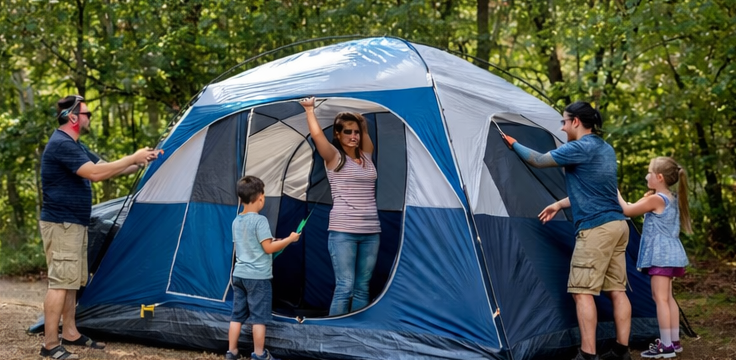
Your shelter is one of the most important parts of the entire trip. When your tent feels too small, hard to set up, or poorly suited to the weather, everything else becomes harder. For families, comfort and simplicity matter more than trying to pack as light as possible.
A good rule of thumb is to size up. If you are a family of four, a 6-person tent is often a better fit than a 4-person tent. The extra room makes it easier to change clothes, store bags, and keep kids from feeling crowded. A larger tent can also give you some breathing room when the weather turns bad and everyone ends up inside for a while.
Look for practical features that support family use. Multiple doors, decent ventilation, and a rainfly are all helpful. Some family tents also include dividers or vestibules, which can help create a little separation between sleeping areas and gear.
Setup is another big factor. After a long drive, nobody wants to figure out a confusing tent while the kids are tired and ready to eat. If your tent is new, practice setting it up at home before the trip. Try to arrive at your campsite with enough daylight left to get organized without rushing.
If you are RV camping or staying in a cabin, a screen room or pop-up canopy can still be a smart addition. It creates a shaded or bug-free space where kids can eat, play, or relax.
Cozy Sleeping Gear for Kids of All Ages
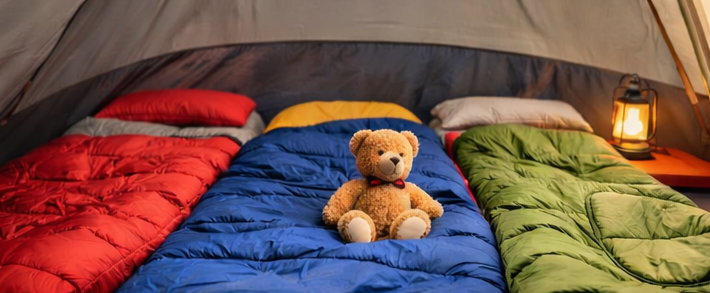 A family camping trip usually goes better when everyone sleeps reasonably well. Once sleep falls apart, moods often follow. That is why sleeping gear deserves real attention during trip planning.
Start with sleeping bags that are suitable for the age of the camper and the temperatures you expect. Toddlers often do better in smaller sleeping bags designed for little bodies. Older children can use standard kids sleeping bags, and adults can use their usual camping bags, but it is always smart to bring extra blankets in case temperatures drop overnight.
Sleeping pads or camping mattresses help just as much as the bags themselves. They add comfort, keep bodies insulated from the ground, and reduce midnight complaints about rocks, roots, or uneven ground. If your children are used to sleeping in a very soft bed at home, even a little extra cushion can go a long way.
Camping with babies may require a portable crib, travel sleep tent, or another familiar sleep setup. The more you can make bedtime feel normal, the easier the transition tends to be.
It also helps to keep some version of your usual bedtime routine. Bring a familiar stuffed animal, blanket, bedtime book, or pillow from home. Let kids change into pajamas, brush teeth, and settle down in a way that feels predictable. A small lantern or soft nightlight can help children who feel uneasy in the dark.
Try not to overload bedtime with too much excitement. Campfires and s’mores are part of the fun, but if the evening gets too late and too wild, kids may have a harder time winding down. A calm bedtime usually works better than trying to push through with overtired children.
Keep flashlights or headlamps within reach for nighttime bathroom runs. If you have a toddler or young child who does not want to walk to the bathroom in the dark, a portable camp toilet may be worth bringing.
Camp Kitchen Essentials for Family Meals
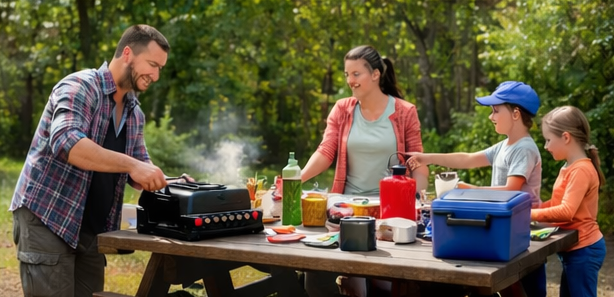
When kids are hungry, everything feels more urgent. A simple camp kitchen setup helps you feed people faster, stay more organized, and cut down on avoidable frustration.
For most family camping trips, the goal should be easy and familiar meals. Camping is not the best time to test complicated recipes or depend on meals that take a lot of prep. Instead, think practical. Oatmeal, sandwiches, pasta, pancakes, foil packet dinners, grilled basics, fruit, crackers, and simple snacks are all good options.
A camp stove is one of the most useful tools you can bring, even if you plan to cook over a fire sometimes. It gives you a reliable way to make breakfast, boil water, and cook quickly when the weather does not cooperate.
A camping cookware set for families should cover the basics without taking up too much space. You do not need a huge kitchen, but you do need enough to cook and serve meals without constant improvising. A cooler, dish soap, sponge, trash bags, water jug, and a basic dishwashing setup are also worth having.
Snacks matter more than many parents expect. Active kids tend to get hungry often, and quick access to something easy can help prevent meltdowns between meals. Pack more snacks than you think you need, especially if you plan to hike or spend long periods away from camp.
If you have little ones, a camp booster seat or portable high chair can make meals feel much easier and cleaner. It gives them a consistent place to sit and helps cut down on spilled food and chaos.
Give children small jobs at mealtime when possible. One can hand out napkins, another can carry utensils, and another can help gather items after the meal. It keeps them involved and gives structure to camp life.
It is also important to store food properly. Clean up crumbs, pack away leftovers, and never leave food or trash out overnight. A cleaner campsite is easier to manage and far less likely to attract unwanted animal visitors.
Safety and Hygiene Must-Haves
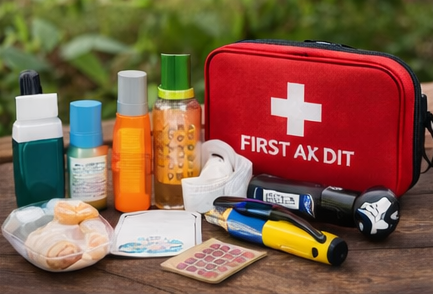 Safety is one of the biggest concerns parents have before a camping trip, and for good reason. The outdoors comes with new variables, but most family camping safety comes down to simple preparation.
A family first aid kit should be part of every trip. Pack bandages, antiseptic wipes, pain reliever, tweezers, adhesive tape, bug bite relief, any prescription medicine, and other basics your family may need. Camping often comes with small cuts, scrapes, splinters, and insect bites. Being prepared for those little issues helps keep them from becoming bigger problems.
Hand sanitizer, baby wipes, and extra toilet paper are also important. Kids get dirty fast while camping, and simple cleanup supplies make a big difference throughout the day. Wipes are especially useful before meals and at bedtime.
Lighting matters too. Headlamps and flashlights are essential for moving around camp after dark. Kids usually enjoy having their own headlamps, and it can make nighttime feel more fun and less intimidating. Glow sticks or light-up bracelets can also help younger children feel more comfortable and stay visible.
Do not forget sunscreen, hats, and bug spray. Sunburn and insect bites can make the whole trip less comfortable. Reapply protection often, especially on active kids who sweat, wipe their faces, and spend a lot of time outdoors.
Wildlife safety should also be part of your basic routine. Teach kids not to leave food out, not to snack in the tent, and never to approach or feed wild animals. Even in established campgrounds, food can attract raccoons and other critters quickly.
Another common concern is kids wandering off. Set clear campsite boundaries early. Point out landmarks and remind children where they can and cannot go without an adult. A whistle for each child can add peace of mind, especially at larger campgrounds or trail areas.
A few hygiene items can help the trip feel much smoother too. A small broom and dustpan can help keep the tent cleaner, and washcloths or a simple rinse-off routine before bed can help reduce the amount of dirt kids bring into sleeping areas.
Backpacks and Carriers for Camping and Hiking
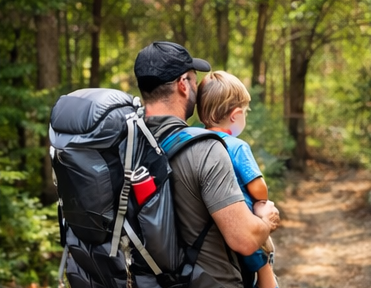 If your trip includes hiking, sightseeing, or even longer walks around campgrounds and parks, the right carrying gear can make a big difference.
For babies and toddlers, a child carrier backpack is often one of the most useful pieces of gear a family can own. A good carrier helps distribute weight comfortably while keeping your child secure and close. Features like padded shoulder straps, a sturdy hip belt, storage pockets, and a sunshade can all improve the experience.
For older kids, a small backpack of their own can be a great idea. It helps them feel involved and lets them carry a few lightweight items like a water bottle, snack, or flashlight. The goal is not to weigh them down. It is simply to give them a role in the adventure.
You can also create a small trail kit for children. A whistle, notebook, magnifying glass, and mini flashlight can make short walks much more engaging. Kids often enjoy hiking more when it feels like exploring instead of just walking.
Try to keep family hiking expectations realistic. Small kids usually do better with shorter, slower outings that include plenty of breaks. Stop to look at bugs, rocks, flowers, birds, or whatever catches their attention. The experience matters more than the mileage.
Always carry extra water, snacks, and layers, and keep children within sight on the trail. The right mix of patience and preparation usually turns simple family hikes into some of the best moments of the trip.
Fun and Games to Keep Kids Happy at Camp
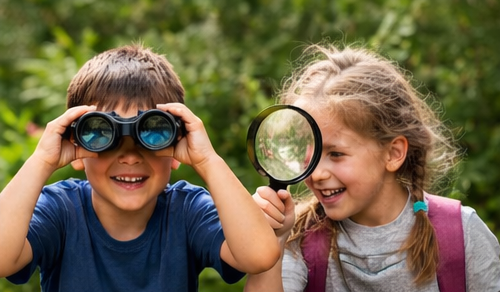 One of the biggest worries parents have is boredom. The good news is that camping naturally offers a lot for kids to do, but it still helps to come prepared with a few easy ideas.
Outdoor travel kits for kids can be a great place to start. These can include binoculars, a magnifying glass, a notebook, a flashlight, and a simple compass. Tools like these help turn ordinary campsite surroundings into something exciting.
A few simple toys and games are useful too. A ball, Frisbee, deck of cards, coloring supplies, and a couple of books can provide plenty of entertainment without taking up much space. Often, kids will use these only part of the time because they become more interested in exploring the campground itself.
Nature-based activities also work well. You can do a scavenger hunt, collect leaves or rocks, look for birds, identify animal tracks, or let kids keep a simple camping journal. Stargazing is another easy and memorable activity after dark.
At campgrounds with amenities, take advantage of what is available. Playgrounds, swimming areas, bike paths, and family events can add variety and give kids something new to enjoy.
It also helps to leave room for free play. Sticks, pinecones, dirt, and imagination can entertain children longer than many parents expect. Not every minute needs to be scheduled.
Still, it is smart to prepare for downtime or bad weather. A rainy afternoon goes much better when you have a few books, card games, or easy indoor-style activities ready to go.
Camping can also become a great setting for family traditions. Campfire stories, silly songs, evening walks, and simple shared routines often become the memories kids talk about long after the trip is over.
On-the-Road Comfort for the Family Camping Trip
The camping experience starts with the drive. If the trip there feels chaotic, everyone may arrive tired and irritable before the tent is even up. A few travel accessories and simple habits can make the ride much easier.
A backseat organizer is one of the handiest things to have for family travel. It keeps snacks, books, small toys, water bottles, and activity items within reach instead of scattered all over the vehicle.
Travel trays or lap desks can also help, especially for younger children in car seats or boosters. They give kids a place to draw, snack, or play with small items without everything constantly sliding to the floor.
Comfort items matter on the road too. A favorite blanket, small pillow, or stuffed animal can help children relax and nap more easily. These familiar items also help smooth the transition once you arrive at camp.
Road trip games, audiobooks, and playlists can help pass the time. Some families also keep a tablet or movie as an occasional backup tool for especially long drives. That can be perfectly fine when used strategically.
Frequent stops are worth planning. Kids need a chance to move, stretch, use the bathroom, and reset. A short stop every couple of hours can help prevent bigger meltdowns later.
Pack road-friendly snacks where they are easy to reach. Hungry kids are rarely patient travelers, and quick snacks can help keep everyone in a much better mood.
It is also wise to be realistic about distance. If your children are not used to long drives, start with a closer destination. A shorter first trip often leads to a more positive experience and builds confidence for bigger family camping adventures later.
Final Tips for a Smoother Family Camping Experience
A few simple habits can make almost any family camping trip easier.
Use a checklist while packing so small but important items do not get missed.
Pack for changing weather, even if the forecast looks good. Layers, extra socks, rain gear, and dry clothes are always worth having.
Arrive early enough to set up camp before dark. It is easier, safer, and much less stressful.
Organize gear by category in bins or bags so you can find what you need quickly.
Try to keep some structure around meals and bedtime, but stay flexible if the day does not go exactly as planned.
Involve the kids in camp life. Let them help with setup, cleanup, or small tasks. They usually enjoy the experience more when they feel included.
Most of all, keep the right mindset. Camping with kids is rarely perfect, but it can still be wonderful. A little dirt, a little rain, or a small disruption does not mean the trip is going badly. Often, those imperfect moments become part of the family story later.
Conclusion: Pack Smart and Camp with Confidence
A good kids camping essentials checklist helps families feel more prepared before the trip even begins. It gives you a simple way to think through shelter, sleep, meals, safety, travel, and entertainment so fewer things catch you off guard.
You do not need to overcomplicate family camping. In most cases, the basics matter most. A roomy shelter, cozy sleep setup, easy meals, simple safety supplies, and a few comfort and fun items can make a huge difference in how the trip feels for both kids and parents.
Camping with children may take extra effort, but it also gives families something special in return. You get the chance to slow down, enjoy time together, laugh over small mishaps, sit by a fire, and watch tired kids fall asleep after a full day outside.
Pack smart, stay flexible, and enjoy the adventure. The best family camping memories usually come from simple moments shared outdoors.
FAQ
What should I pack for camping with kids?
Start with the basics: shelter, sleeping bags, sleeping pads, weather-appropriate clothing, food, water, cooking supplies, lighting, a first aid kit, and a few comfort items for the kids. Then add entertainment, hiking gear, and road trip supplies based on your plans.
What are the most important family camping essentials?
The most important items are a reliable tent, warm sleeping gear, easy meal supplies, lighting, safety items, bug spray, sunscreen, and enough clothing for changing weather conditions.
How do I make camping with kids easier?
Keep meals simple, maintain a loose routine, bring familiar sleep items, involve kids in setup and camp chores, and pack easy entertainment like games, books, and nature activity tools.
Is camping with toddlers a good idea?
Yes, camping with toddlers can be a great experience when you plan ahead. Focus on sleep, snacks, safety, comfort, and simple routines. A portable sleep setup and plenty of easy food can help a lot.
How do I keep kids entertained while camping?
Bring a few simple toys, books, scavenger hunt ideas, binoculars, or explorer tools. Many kids are happiest when they can explore, help, and enjoy unstructured outdoor play.


0 Comments