
10 of the Top Camping Skills for Kids: Fun Outdoor Skills Families Can Learn Together
Discover 10 of the top camping skills for kids. Learn fun, practical outdoor skills families can practice together, from setting up camp to fire safety, navigation, cooking, and Leave No Trace.
Camping gives kids more than a fun weekend away. It teaches them how to solve problems, work with others, and feel confident outside. When children learn practical outdoor skills, they become more helpful, more observant, and more prepared. They also gain a deeper respect for nature.
The best part is that these lessons do not have to feel like school. Most camping skills can be taught through play, hands-on practice, and simple family routines. A child who helps pitch a tent, read a trail map, or roast dinner over the fire is not just passing time. They are building real-life experience.
If you want to raise kids who feel at home outdoors, start with these 10 core camping skills. They are useful, beginner-friendly, and easy for families to practice together.
1. Planning the Trip
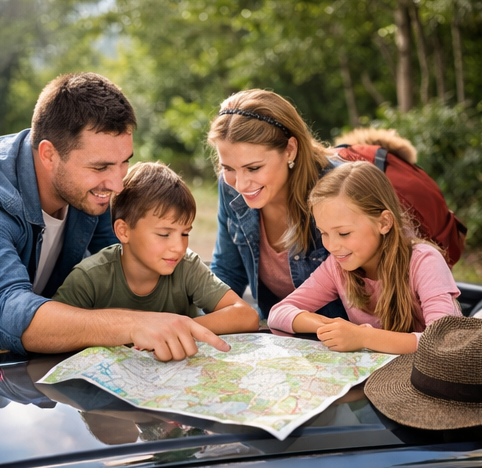 Good camping starts before you leave home. Teaching kids how to help plan a trip is one of the easiest ways to get them involved right from the start.
You can begin with simple questions. Where are you going? What will the weather be like? What should you bring? What will you eat? Even young children can help answer those questions. Older kids can help look at maps, choose a trail, or compare campground options.
Trip planning helps children understand that outdoor fun works best when you prepare ahead. It also helps reduce common camping problems like forgetting gear, getting caught in bad weather, or arriving too late to set up camp comfortably.
Make it a family activity. Let each child help with one planning task. One can help check the weather. Another can help make the food list. Another can help choose a fun activity for the campsite.
This skill also teaches flexibility. If rain is coming, what changes? If the trail is too long, what is your backup plan? These small conversations help kids learn how to think ahead and adapt.
When children help plan the trip, they feel more invested in it. It becomes their adventure too.
2. Packing the Right Gear
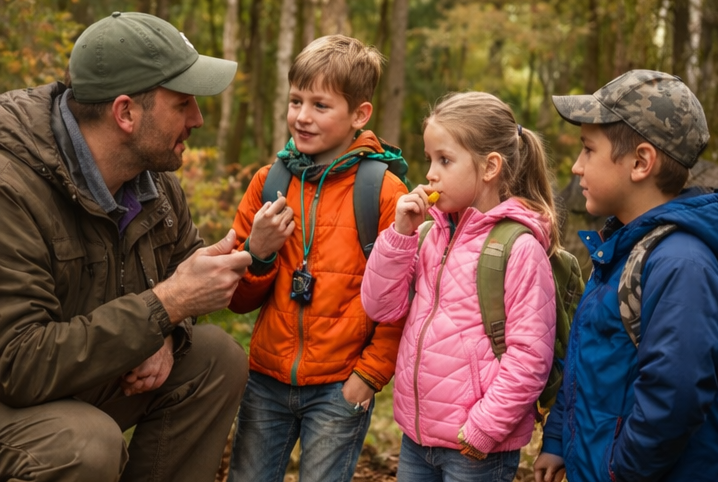 Packing is one of the most practical camping skills for kids. It teaches responsibility, organization, and the difference between wants and needs.
Start with the basics. Every child should know the importance of clothing layers, a flashlight or headlamp, water, a few personal items, and weather-ready gear. They should also understand that camping gear is not random. Each item has a purpose.
Show kids how to pack with a checklist. This helps them stay organized and gives them confidence. You can keep it simple by dividing gear into categories such as sleep, clothing, food, safety, and fun.
This is also a good time to explain why smart packing matters. Heavy bags are harder to carry. Forgotten rain gear can make a trip miserable. Wet socks can ruin a hike faster than kids expect.
Let children pack their own small bag with your help. Younger kids can choose and place items. Older kids can take more responsibility and double-check their list before loading the car.
Packing well helps children understand preparedness. It also teaches them that comfort outdoors often depends on what you remembered to bring.
3. Setting Up Camp and Shelter
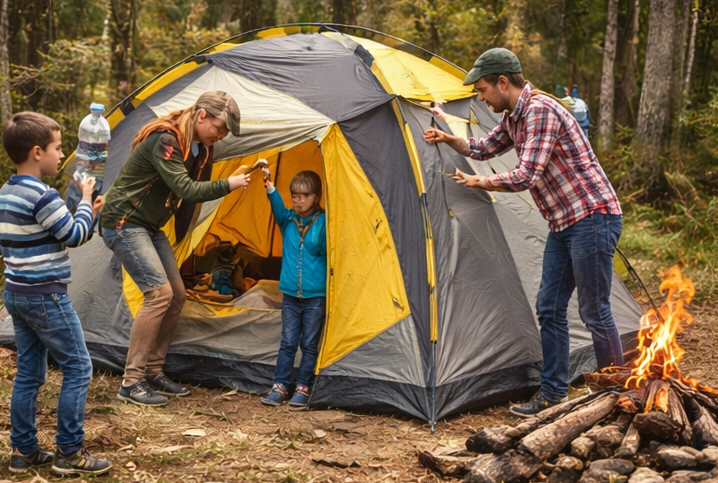
Helping set up camp gives kids an instant sense of accomplishment. The moment the tent goes up, they feel like they helped create the family’s home outdoors.
Start by teaching them how to choose a good campsite. Look for flat ground, avoid low spots where rain may collect, and check for sticks or rocks that would make sleeping uncomfortable. This gives kids practice noticing details.
Then move to tent setup. Younger children can help spread out the tent, carry poles, or hand over stakes. Older children can learn how poles fit together, how the rainfly works, and why a tight setup matters in wind or rain.
This skill is about more than just using gear. It teaches teamwork. Everyone has a role, and the campsite comes together faster when people help one another.
It is also a chance to teach basic outdoor comfort. Keep the inside of the tent clean. Store shoes outside or in a vestibule. Keep sleeping gear dry. Make sure personal items are easy to find before dark.
Kids who help set up camp feel more at ease once night falls. The tent no longer feels like something unfamiliar. It feels like something they helped build.
4. Fire Safety and Campfire Building
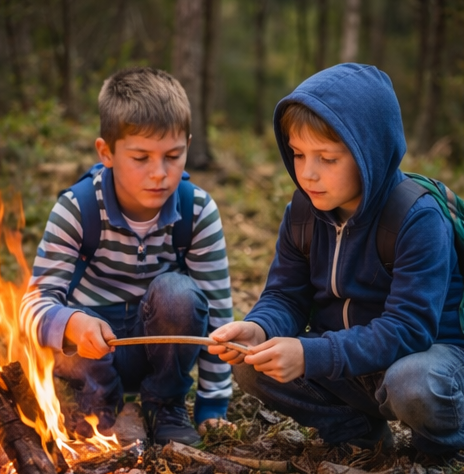 A campfire is often the heart of a family camping trip. It gives warmth, light, food, and a place to gather. That makes fire safety one of the most important camping skills for kids to learn.
Start with rules before you start with flames. Teach children that fires belong in safe places, such as a fire ring or approved fire pit. Explain that adults handle matches and lighters unless a child is old enough and closely supervised.
Kids can still help in meaningful ways. They can gather tinder and small sticks, sort wood by size, and learn the difference between tinder, kindling, and fuel wood. They can also help clear leaves and debris from around the fire area.
Once the fire is going, teach good habits. No running near the fire. No throwing random objects into it. No walking away without permission. At the end of the night, show them how a fire must be fully extinguished.
This skill combines fun with responsibility. Kids love the excitement of a campfire, but they also learn that fire is useful only when it is handled with care.
That lesson carries far beyond the campsite.
5. Basic Navigation
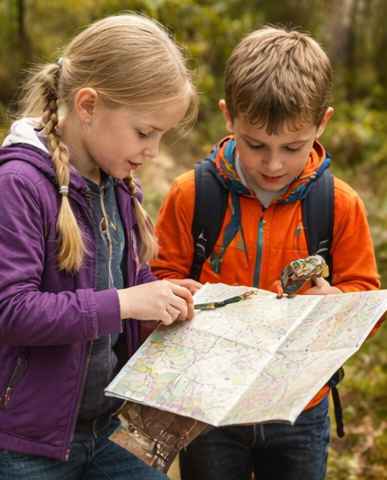 Navigation is one of the best confidence-building outdoor skills a child can learn. Even basic map awareness helps kids feel more secure on hikes and around camp.
You do not need to begin with advanced compass work. Start with simple ideas. Show children where the campsite is on a map. Point out the trail, nearby water, parking area, or ranger station. Help them notice landmarks around them.
Then make it interactive. Ask them to help lead to the next trail marker. Have them spot the path back to camp. Let them compare what they see in real life with what appears on the map.
Older kids can start learning how a compass works and how directions connect to the map. Younger kids can practice “stay found” habits like noticing landmarks, remembering turns, and staying aware of where the group is.
This skill helps reduce one of the biggest outdoor fears: getting lost. It also encourages kids to pay attention instead of wandering through nature without awareness.
A child who learns to notice the trail, the signs, and the terrain becomes a stronger and safer outdoor partner.
6. Outdoor Cooking and Simple Meal Prep
Kids love to eat outside, and many of them love helping with camp meals even more. Outdoor cooking is a great skill because it blends fun, responsibility, and basic life skills.
Keep it simple at first. Children can help assemble sandwiches, stir pancake mix, wrap foil packet meals, or add ingredients to a pot. Older kids can help with camp stove safety, cooler organization, and meal cleanup.
Camp cooking teaches more than food prep. It teaches patience, timing, and cleanliness. It also helps kids appreciate the work that goes into a meal. Food does not just appear outdoors. It must be planned, packed, protected, cooked, and cleaned up.
Use camping meals as a chance to build confidence. Let each child own part of the process. One can help set up the cooking area. Another can hand over utensils. Another can help portion snacks for the hike.
It is also a good time to teach food safety. Keep perishables cold. Clean hands before eating. Store food properly so it does not attract animals.
Children who help make the meal are often more willing to eat it too. That alone can feel like a camping miracle.
7. Water Awareness and Hydration
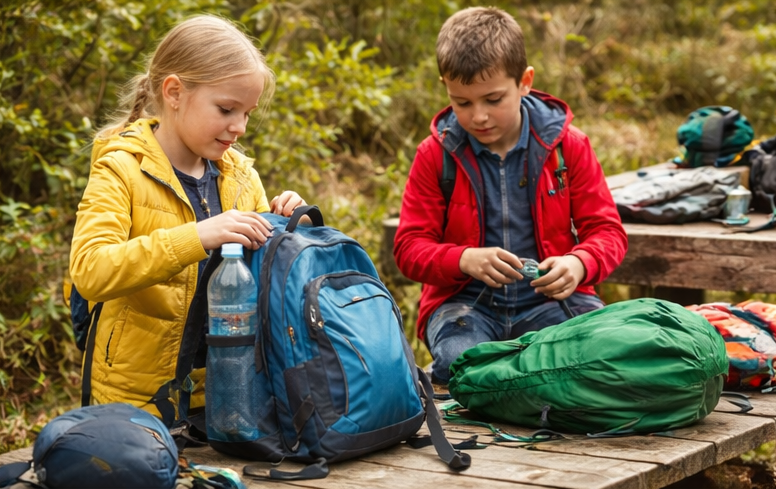 Water is easy to take for granted at home. Outdoors, it becomes one of the most important things to manage well. That makes hydration and water awareness an essential camping skill for kids.
Teach children to drink before they feel miserable. Waiting until they are very thirsty is not a great plan on a warm hike. Help them build the habit of sipping water regularly throughout the day.
You can also explain why natural water sources are not always safe to drink. Streams and lakes may look clean, but they can still contain bacteria or parasites. If your family uses a water filter or purifier, show kids how it works. Even if they are not the ones operating it alone, they should understand the process.
This is also a good skill for teaching observation. Ask kids where they think water flows after rain. Talk about how campgrounds provide water and why hikers carry enough before heading down the trail.
When children understand the importance of hydration, they are more likely to listen when you say it is time for a water break. They also start connecting how they feel with what their body needs.
That is a smart lesson for camping and for everyday life.
8. Basic First Aid and Personal Safety
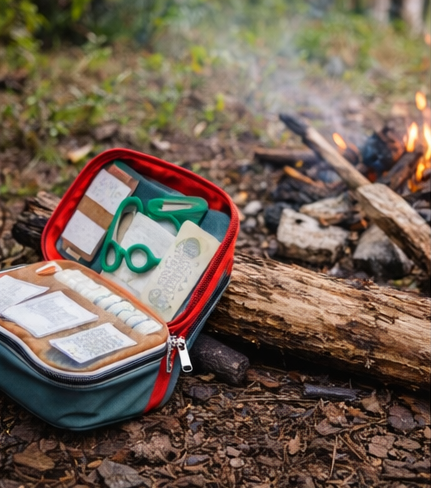 Children do not need to become wilderness medics, but they should know a few simple first aid basics. This makes them feel less helpless and more prepared when small injuries happen.
Start with common camping issues: cuts, scrapes, bug bites, splinters, and blisters. Show kids what is in the first aid kit and explain what the items are for. They can learn how a bandage helps protect a cut or how tweezers remove a splinter.
You can also teach basic safety habits that prevent problems. Wear shoes around camp. Stay where adults can see you. Tell someone before walking away. Use bug spray and sunscreen when needed.
Older children can learn to recognize signs that someone needs help, such as dizziness, overheating, or unusual tiredness. They can also learn what to do first: stop, stay calm, and get an adult.
Teaching first aid builds confidence because it replaces panic with a plan. A child who knows how to respond to a scraped knee is less likely to feel overwhelmed by every little mishap.
This skill reminds kids that safety is not about fear. It is about awareness, calm thinking, and knowing what to do next.
9. Wildlife Awareness and Respect
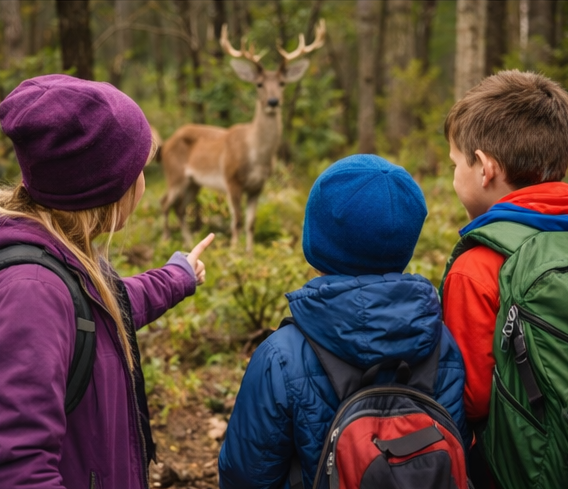 Wildlife is one of the most exciting parts of camping for kids. It can also be one of the most misunderstood. That is why teaching wildlife respect is such an important outdoor skill.
Start with the basics. Wild animals are not pets. We do not feed them, chase them, or try to get close for a better look. We observe from a distance.
Explain that animals often come near people because of food, trash, or smells. That means keeping camp clean is part of wildlife safety. Put away snacks. Clean up crumbs. Store food properly. Never bring food into the tent.
Children should also learn how to stay calm if they see an animal. The response depends on the animal and the location, but the overall lesson is simple: stay with the group, give animals space, and let adults take the lead.
This skill is about respect as much as safety. Kids begin to understand that the outdoors is not just for us. It is home to many living things.
That perspective often leads to more curiosity, more observation, and fewer foolish choices.
10. Leave No Trace and Respect for Nature
If you teach only one lifelong outdoor habit, this may be the one that matters most. Leave No Trace helps kids understand how to enjoy nature without damaging it.
The lesson can be simple. Pack out your trash. Stay on the trail. Leave plants, rocks, and natural spaces as you found them. Respect wildlife. Be careful with fire. Keep campsites clean.
Children usually understand this quickly when you frame it the right way. You are helping keep nature beautiful for the next family, the next hikers, and the animals that live there.
Turn it into action. Ask kids to help check the campsite before leaving. Is there any trash? Is gear packed up? Does the area look clean? Can you leave it better than you found it?
Leave No Trace also teaches restraint. Just because something looks interesting does not mean it should be taken home. Just because a shortcut exists does not mean it should be used.
This skill builds character. It teaches responsibility, respect, and care for places that do not belong only to us.
That is a lesson kids can carry everywhere.
Why These 10 Skills Matter
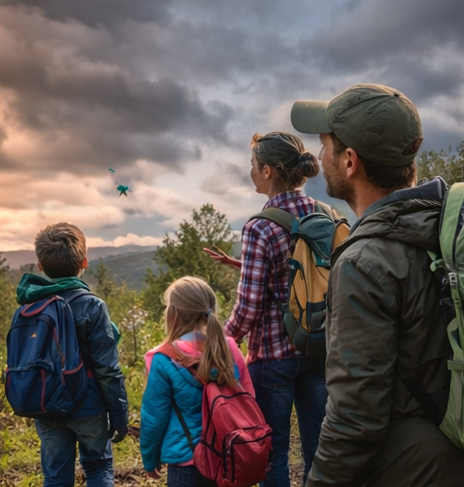 Children do not need to know everything at once. They just need chances to learn a little more each trip.
These 10 camping skills give families a strong foundation. They cover planning, gear, shelter, fire safety, navigation, cooking, water, first aid, wildlife awareness, and Leave No Trace. Together, they make children more capable outdoors and more connected to the experience.
They also help shift camping from passive entertainment to active participation. Instead of just being along for the ride, kids become part of what makes the trip work.
That matters. Children remember the things they helped do. They remember pitching the tent in the wind. They remember carrying wood for the fire. They remember spotting the trail sign before anyone else. Those small moments build real confidence.
And parents benefit too. Camping gets easier when kids have age-appropriate jobs and useful skills. The trip feels more like a shared adventure and less like adults doing everything while children wait to be entertained.
Final Thoughts on the Top Camping Skills for Kids
The best camping skills for kids are the ones that are practical, repeatable, and fun to learn. You do not need to teach them all in one weekend. Pick one or two for each trip and build from there.
Let your children help plan. Let them pack. Let them learn by doing. Give them small responsibilities and celebrate their progress. Over time, those small lessons add up to something big.
They become kids who are more confident outside. More aware. More prepared. More respectful of nature. And more excited to head out again.
That is what family camping should do.
It should build memories, but it should also build capable kids.

0 Comments