
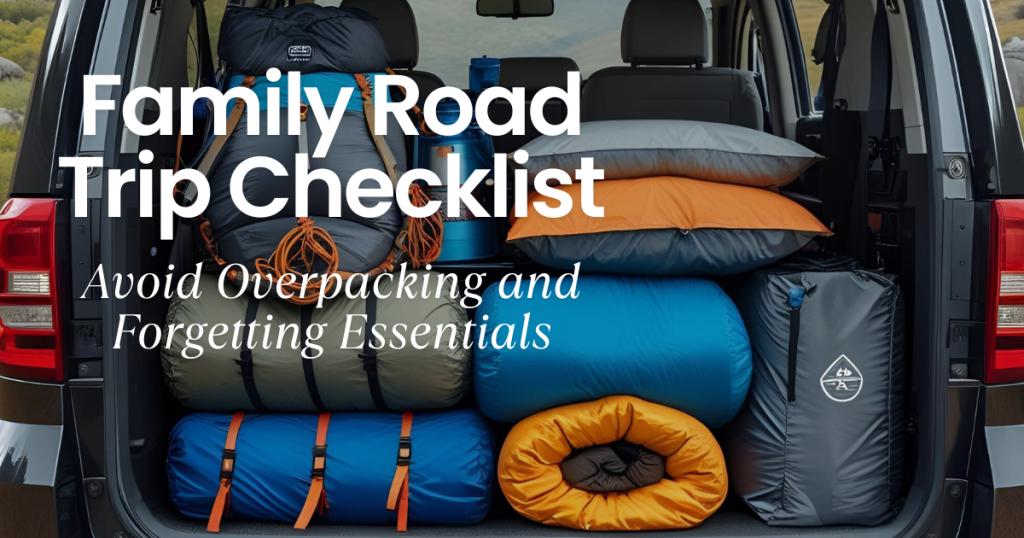
Family Road Trip Checklist for a Smoother Family Adventure
Planning a family road trip can be exciting, but it can also get chaotic in a hurry. Between clothes, snacks, chargers, comfort items, and all the little things that seem easy to remember until they are suddenly not, packing day can feel like a full-blown event.
That is why a good family road trip checklist can make such a big difference. Instead of scrambling at the last minute, you can pack with a plan, keep your trip organized, and head out feeling more prepared.
This guide is built for real families and real travel days. Whether you are heading to a campground, hotel, cabin, national park, or a relative’s house a few states away, this checklist will help you remember the essentials without stuffing the vehicle like you are moving across the country.
Why a Family Road Trip Checklist Helps
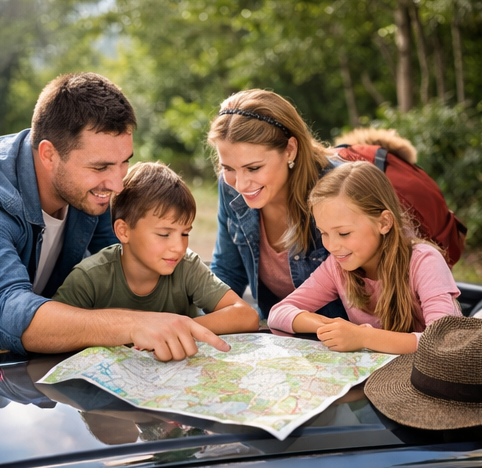 A road trip has a way of making us bring too much and still forget something important. You pack extra clothes, extra snacks, and extra “just in case” gear, then realize halfway down the road that somebody forgot their toothbrush or the charging cable for the phone.
A checklist helps you stay focused on what matters. Instead of relying on memory alone, you can work through categories one at a time and pack with more confidence. That keeps departure day calmer and cuts down on those annoying last-minute runs back into the house.
It also helps you avoid overpacking. When you can clearly see what your family actually needs, it is easier to leave behind the extras that take up space but never get used.
Start Your Family Road Trip Checklist With Vehicle Prep
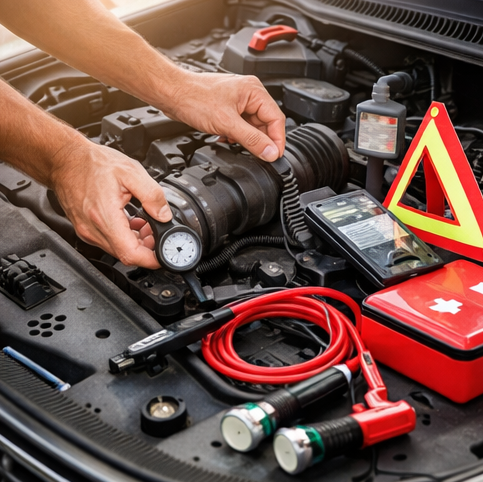 Before you start loading bags, make sure the vehicle is ready. A smooth road trip starts with basic car prep.
Check these vehicle basics
- fuel level
- oil level
- coolant level
- tire pressure
- spare tire condition
- windshield washer fluid
- headlights and brake lights
- wiper blades
- battery condition
- dashboard warning lights
Keep these important vehicle items handy
- driver’s license
- registration
- insurance card
- roadside assistance information
- owner’s manual
- phone mount
- charging cables
- backup battery pack
- printed directions or backup map
Pack the Main Family Road Trip Essentials First
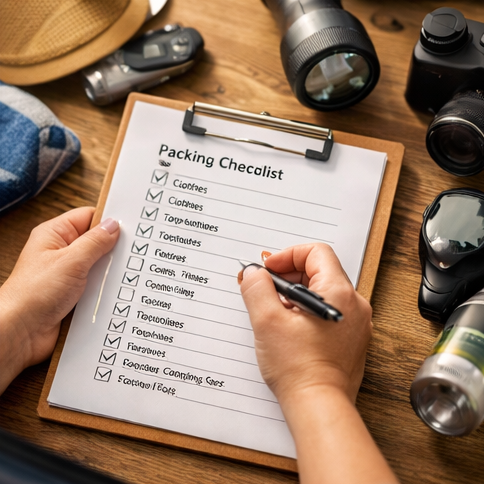 Once the vehicle is ready, start with the big categories that every family needs. These should go in before the optional extras start sneaking into the pile.
Core packing categories
- clothes
- toiletries
- medications
- travel documents
- snacks and drinks
- kids’ gear
- chargers and electronics
- comfort items
- emergency supplies
Clothing checklist
- T-shirts
- pants or shorts
- underwear
- socks
- pajamas
- light jacket or hoodie
- walking shoes
- sandals if needed
- hats
- swimsuits if needed
- one extra outfit per child
Do Not Forget Toiletries and Health Items
Toiletries are some of the easiest things to forget because they are often packed last. They are also some of the first missing items you notice once you arrive.
Toiletry checklist
- toothbrushes
- toothpaste
- shampoo
- soap or body wash
- hairbrush or comb
- deodorant
- sunscreen
- lip balm
- tissues
- hand sanitizer
- baby wipes
- toilet paper
- feminine products if needed
Health and first-aid items
- prescription medications
- pain reliever
- allergy medicine
- motion sickness medicine
- bandages
- antiseptic wipes
- thermometer
- tweezers
- insect repellent
- small first-aid kit
Road Trip Checklist for Kids’ Comfort and Entertainment
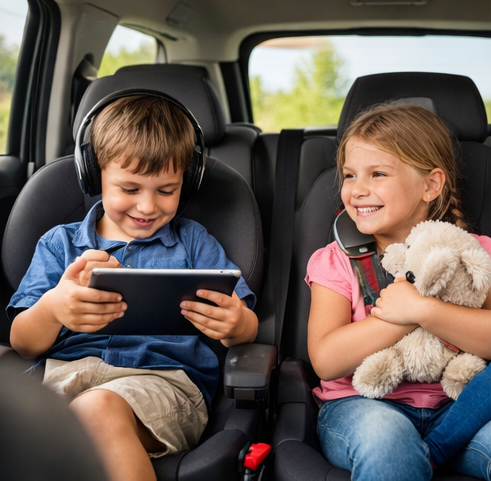 This section matters more than most parents need explained. A smoother road trip often depends on keeping kids comfortable, occupied, and reasonably happy for long stretches in the car.
Comfort items for kids
- favorite blanket
- travel pillow
- stuffed animal
- extra wipes
- spare clothes
- diapers or pull-ups if needed
- bottles, sippy cups, or water bottles
- stroller or baby carrier for little ones
Entertainment checklist
- coloring books
- crayons or markers
- activity books
- travel games
- books
- audiobooks
- playlists
- downloaded shows or movies
- headphones
- card games
- small surprise toys or treats
Pack Smart Food and Snacks for the Drive
Snacks are one of the true heroes of family road travel. They help with hunger, boredom, and those moments when everybody gets a little too quiet in a suspicious way.
Good road trip snack ideas
- granola bars
- crackers
- trail mix
- pretzels
- fruit
- string cheese
- sandwiches
- jerky
- applesauce pouches
- cut vegetables
- dry cereal
Food and drink gear to bring
- cooler
- ice packs
- water bottles
- juice boxes if needed
- napkins
- paper towels
- reusable utensils
- trash bags
- wet wipes
Bring Basic Emergency and Safety Supplies
Even a short family road trip should include a few emergency items. Most of the time, these supplies never leave their spot in the car, and that is perfectly fine.
Emergency and safety checklist
- first-aid kit
- flashlight
- extra batteries
- jumper cables
- tire inflator
- tire gauge
- reflective triangles or flares
- multi-tool
- duct tape
- emergency blanket
- bottled water
- backup charger
How to Avoid Overpacking on a Family Road Trip
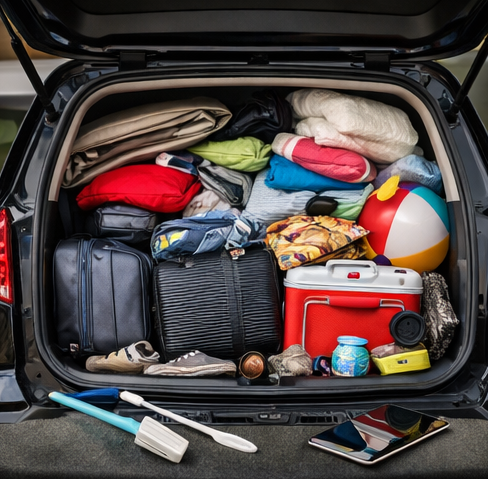 Overpacking usually starts with good intentions. You bring extra everything because it feels safer. Then suddenly the car is packed so tightly that opening the hatch feels like a trust exercise.
A better plan is to pack for your actual trip, not every possible scenario. Think about how long you will be gone, what the weather looks like, whether you can wash clothes, and how easy it would be to buy something if needed.
Simple ways to keep packing under control
- choose clothing that mixes and matches
- use packing cubes or bags for each person
- bring one shared toiletry bag
- limit bulky extras
- pack only the daily essentials within reach
- skip duplicates unless they are truly necessary
Family Road Trip Tips That Make the Drive Easier
A strong family road trip checklist helps a lot, but a smoother drive also comes from simple planning choices.
Try to leave a little earlier than necessary if you can. Extra time gives you breathing room for fuel stops, bathroom breaks, traffic, and those little travel surprises that show up the moment everyone is finally buckled in.
Plan to stop every couple of hours, especially with young kids. A short break to stretch, walk, or snack can reset everybody’s mood and make the next part of the drive much easier.
It also helps to keep the most-used items easy to grab. That includes wipes, tissues, chargers, medications, drinks, snacks, and comfort items. If finding a granola bar requires unloading half the trunk, the system needs work.
For longer trips, share your route or basic itinerary with a friend or family member. It is a simple habit that adds a little peace of mind.
Final Family Road Trip Checklist Before You Leave
Before you pull out of the driveway, do one last quick check. This small habit can save a lot of hassle later.
Last-minute departure checklist
- phones charged
- chargers packed
- wallets packed
- keys in hand
- reservations accessible
- medications packed
- snacks loaded
- cooler packed
- kids buckled in
- house locked
- lights off
- route ready
FAQ
What should be on a family road trip checklist?
A good family road trip checklist should include vehicle prep, travel documents, clothes, toiletries, medications, snacks, drinks, kids’ comfort items, entertainment, chargers, and emergency supplies. The goal is to cover the basics without packing too much.
How do I pack for a road trip with kids?
Pack by category and keep the items you use most within easy reach. Snacks, wipes, drinks, comfort items, and entertainment should be easy to grab during the drive. It also helps to bring one extra outfit for each child.
How can I avoid forgetting important road trip items?
Use a checklist and pack ahead of time instead of waiting until the last minute. A final walk-around before leaving also helps you catch forgotten chargers, medications, documents, or food items.
What are the best snacks for a family road trip?
The best snacks are easy to eat, simple to store, and not too messy. Granola bars, crackers, fruit, trail mix, pretzels, sandwiches, cheese sticks, and applesauce pouches are all good options.
How often should you stop on a family road trip?
Most families do better with a stop every two to three hours. That gives kids a chance to move around and helps everyone feel more comfortable during a long drive.





0 Comments