
Ideal Camping Experiences: Tips for Unforgettable Outdoor Adventures
Many outdoor enthusiasts dream of achieving the perfect camping trip. They imagine backpacking epic trails like the Appalachian Trail or PCT, sleeping under a sky full of stars without city noise, and summiting mountain peaks at sunrise. Some aspire to take a month off to hike a legendary route abroad or live minimally out of a backpack. Parents and grandparents often hope to pass on wilderness skills to their children on bucket-list hikes, building confidence and creating lifelong memories together. Yet turning these dreams into reality requires thoughtful preparation and the right tips.
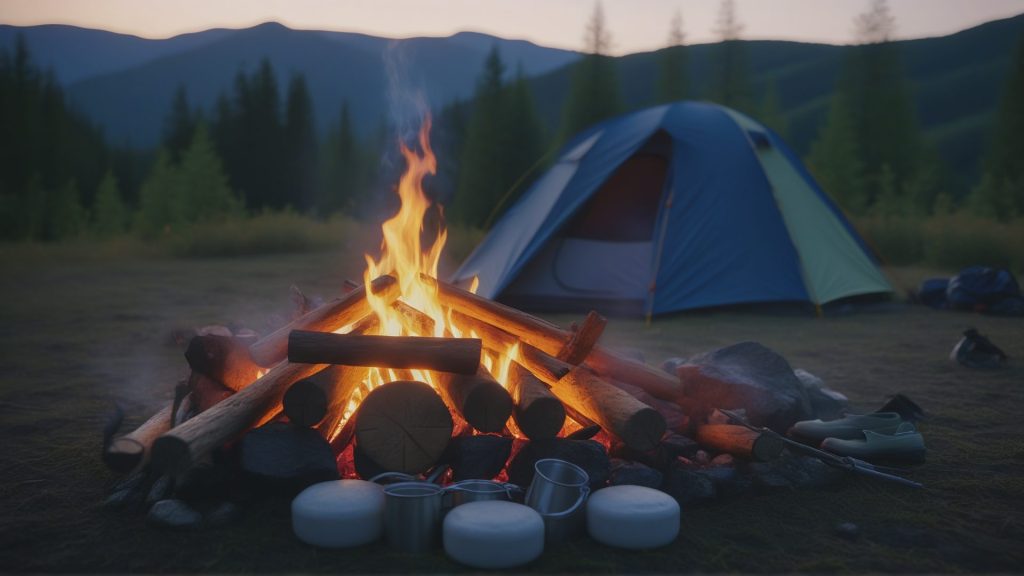
outdoor adventures with ideal camping experiences advice
Camping truly offers something for everyone – it’s a fun way to enjoy time outside with family, friends, or even solo, whether you stick to just the essentials or add a few cozy touches for comfort. You can pitch a tent deep in the backcountry for peace and quiet or stay at a developed campground with amenities like showers and picnic tables. Either way, the goal is the same: to unwind in nature and connect with each other away from daily distractions.
Camping’s popularity is soaring. In 2023, roughly 84.8 million Americans – about 1 in 4 people – went camping. Millions are newcomers to camping as well, with 5.5 million people trying camping for the first time in 2023. Clearly, the appeal of unplugging and seeking adventure outdoors is stronger than ever. At the same time, planning the ideal camping experience can feel daunting. Campers may worry about things like getting lost or injured far from help, bad weather ruining the trip, wildlife encounters, or how to keep kids from getting bored. There are also minor frustrations to contend with: mosquitoes and bug bites, unpredictable weather, heavy packs, damp sleeping bags, blisters, or noisy neighbors at the campground. The good news is that with some know-how, anyone can overcome these challenges and have an amazing, safe, and memorable camping getaway.
In this guide, we’ll share ideal camping experience tips covering trip planning, choosing family-friendly camping spots, must-have gear (for both camping and hiking), clever camping hacks, and safety advice. With the right preparation and mindset, you’ll be ready to meet those outdoor dreams and enjoy unforgettable camping experiences with your loved ones.
How to Plan the Perfect Camping Trip
Planning is key to achieving an ideal camping adventure. A bit of foresight goes a long way toward ensuring things go smoothly (and that you can relax and have fun). Here are some tips on how to plan the perfect camping trip:
- Choose the Right Destination: Select a camping location suited to your group’s experience level and goals. For a first family trip or camping with kids, it’s wise to start small and close to home at a campground with good facilities, then work up to more remote adventures. If solitude and stargazing are your aim, you might pick a quiet national forest site or backcountry area. Families with young children often prefer developed campgrounds (state parks, national parks, or private sites) that offer amenities like bathrooms, running water, and maybe a playground. More adventurous campers might target national parks or wilderness areas for stunning scenery – just be sure everyone is prepared for the setting.
- Pick the Best Time and Check Weather: Timing can make or break a trip. Research the season and climate for your destination and pack accordingly. Try to avoid heavy rain or extreme temperatures if you can. For popular spots, consider going in shoulder season or on weekdays to enjoy peace and quiet away from crowds (one of the top desires of many campers). Always check the detailed weather forecast a day or two before you leave, and have a backup plan in case of sudden severe weather. For example, if a storm rolls in, be ready to shift to indoor activities or delay challenging hikes until conditions improve.
- Plan and Reserve Campsites Early: The best camping spots for families and popular campgrounds can fill up fast, especially in summer. Once you have a destination in mind, look into campsite reservations or any required permits. National park and state park campgrounds often allow reservations months in advance (via Recreation.gov or state park websites). Private campgrounds (like KOA or Jellystone Parks) also accept reservations and may have additional activities included. If you’re planning to backpack or camp in the backcountry, contact the land manager for permit requirements or quotas. Securing your spot ahead of time will prevent the frustration of arriving to find a “campground full” sign.
- Involve Everyone in the Planning: An ideal camping experience is one where each member of the group has something to look forward to. If you’re camping with family or friends, get their input. Let kids help choose some activities or pick between two campground options so they feel included. You can even make trip planning a fun activity – for instance, gather the family to brainstorm a camping menu or to make a checklist of things to pack. When children have a say, they’ll be more excited and cooperative during the trip. (Pro tip: If the kids are total camping newbies, consider a practice campout at home – pitch a tent in the backyard for a night so they can get comfortable with the experience in a familiar setting.)
- Plan Activities (but Don’t Over-schedule): Research what you can do at your destination. Are there family-friendly hiking trails or swimming spots nearby? Interesting landmarks or nature programs? Plan out a few activities or excursions for each day, such as a short hike in the morning and fishing or paddling in the afternoon. Having a plan helps you pack the right gear and avoids the dreaded “I’m bored” moments. However, be careful not to jam the schedule too full – leave some free time to relax at camp, take naps in a hammock, or just explore around the campsite. A big part of the joy of camping is not being on a strict schedule. Balance is key: have options for fun things to do, but also embrace the slower pace of outdoor life.
- Create a Camping Checklist: As your trip approaches, make a packing checklist and start organizing your gear. Forgetting an important item (like the stove fuel or the tent stakes) can quickly turn a dream trip into a headache. Write down everything you’ll need for shelter, sleeping, cooking, clothing, and activities. Many experienced campers keep a master checklist that they use and update for each trip. You can find examples online (outdoor retailers like REI offer free camping checklists), or make your own customized to your family’s needs. As you pack, physically check off each item. This ensures you don’t drive 5 hours into the mountains only to realize the sleeping bags are still in the garage. Using a checklist is a simple but effective step to guarantee you have all the essentials.
- Safety Prep: Include safety planning as part of trip prep. Decide how you’ll handle communication (do you need a satellite messenger if there’s no cell service? Will you check in with someone back home every day or two?). Pack a first aid kit and make sure you know some basics of wilderness first aid, especially if doing more remote camping or hiking. It’s also smart to share your itinerary with a friend or relative not on the trip – let them know where you’ll be and when you expect to return. That way, if something unexpected happens, someone knows where to look. Planning for safety doesn’t mean you expect problems; it simply gives you peace of mind so you can fully relax and enjoy your adventure.
By taking the time to plan thoroughly – from choosing the right campsite and timing to prepping meals and activities – you set yourself up for success. A well-planned trip greatly increases the chance that your camping experience will match those dreams of the perfect getaway.
Best Camping Spots for Families (Finding Your Ideal Campsite)
Finding the perfect campsite or campground is a big part of an ideal camping experience. The best camping spots for families usually offer a mix of natural beauty, comfort, and kid-friendly features. Here are some tips for choosing a great campsite:
- Look for Family-Friendly Amenities: Especially for families with young kids (or camping beginners), campgrounds with convenient facilities can make the experience much smoother. Many private and public campgrounds have amenities like restrooms, showers, picnic shelters, playgrounds, swimming areas, or even organized activities. For example, campground networks like KOA (Kampgrounds of America) are known for their family-oriented amenities – some locations have pools, game rooms, dog parks, and even splash pads or miniature golf to keep everyone entertained. Similarly, Yogi Bear’s Jellystone Park Camp-Resorts are popular with families, offering themed weekends, characters, and plenty of on-site fun for kids. These kinds of campgrounds can be a great choice for a first big camping trip or an easy-going vacation where the focus is on family recreation.
- Consider National and State Parks: America’s national parks and state parks feature some of the most unforgettable camping destinations, and many are quite family-friendly. Park campgrounds tend to be in gorgeous natural settings – think lakeside campsites or spots with views of mountains and canyons. They often have basic facilities like toilets, water, and fire rings, though not all have showers or electricity, so check in advance. Some popular national park campgrounds (like those in Yellowstone or Yosemite) can be crowded in peak season, but they are well-managed and a fantastic way to experience iconic natural wonders with your family. If you prefer quieter spots, look into less famous parks or visit during the spring or fall. State parks are a hidden gem for family camping: they’re usually well maintained, not too expensive, and frequently offer hiking trails, nature centers, or beaches right on site. Tip: Whether national or private, try to read reviews of a campground (on websites or apps like The Dyrt) to get a sense of its cleanliness, noise level, and family suitability before you go.
- Think About Campsite Type and Location: Within any campground, some campsites will suit your needs better than others. If possible, reserve or choose a site that meets your preferences. Families often appreciate a spot near the bathrooms or near a playground, but not directly next to large groups who might be loud late at night. If you crave peace and quiet, look for sites that are more secluded or bordered by trees/brush for privacy. Check the campground map: end-of-loop or corner sites tend to have fewer neighbors. Also consider natural factors – a site with shade is nice on hot summer days, while a site on higher ground will drain better if it rains (avoid low spots that could puddle). If camping near water with small children, you might want a site set back a bit from the lake or river for safety. In backcountry settings, “best campsite” means a flat spot on durable ground, sheltered from wind, and not in a flood-prone gully. Arrive at your destination early if it’s first-come, first-served, so you have plenty of time to find a suitable site.
- Destination Inspiration – A Few Ideas: If you’re looking for inspiration, here are a few beloved family camping destinations to consider:
- National Park Campgrounds: Many national parks have at least one campground suitable for families. For example, Yellowstone National Park has multiple campgrounds accessible by car – Canyon Campground and Grant Village Campground both have restrooms, potable water, and are located near iconic park attractions. Great Smoky Mountains National Park (the most visited national park) offers front-country campgrounds like Elkmont or Cades Cove where families can enjoy nature programs and easy hikes. Joshua Tree National Park in California is another family favorite for camping under surreal desert skies (though come in spring or fall to avoid extreme heat).
- State Parks and Forests: Every state has wonderful parks for camping. In the Midwest, parks like Devil’s Lake State Park (Wisconsin) or Starved Rock State Park (Illinois) offer family camping with scenic trails. In the Northeast, French Creek State Park (Pennsylvania) or Letchworth State Park (New York) are known for beautiful campgrounds and hiking. If you’re in the South, parks like Cloudland Canyon (Georgia) or Garner State Park (Texas) combine great facilities with stunning natural settings. Do a little research on your state’s “best family campgrounds” – you’ll likely find a trove of options close to home.
- Private Campgrounds: Aside from the big chains (KOA, Jellystone), many independent campgrounds cater to families. These might have extras like bike rentals, canoeing, or movie nights under the stars. For instance, some farm camp stays or campground resorts offer “glamping” tents or cabins if not everyone in your family is ready to sleep on the ground. Browsing the internet can reveal unique private camping experiences on ranches, farms, or camp resorts that kids will love.
In short, the ideal family campsite is one that matches your comfort level and interests. Whether that’s a rustic national park site with amazing scenery or a full-service campground with activities for the kids, the perfect spot is out there. Take the time to find a place that excites everyone in your group – it will set the stage for an unforgettable camping adventure.
Camping Essentials for the Perfect Trip
One common misconception is that you need a ton of expensive gear to have a perfect camping trip. In reality, camping essentials for the perfect trip boil down to making sure you have reliable shelter, warmth, food, and a few key tools – you can keep it simple or bring extra comforts depending on your style. Here we’ll cover the must-have camping gear and a few tips on choosing the right equipment:
- Shelter (Tent or Other): For most campers, a good tent is the number one essential. Choose a tent that’s appropriate for your group size (a “4-person tent” will fit four people snugly, so sizing up can provide more room for gear or wiggling kids). Make sure your tent is weather-appropriate – a three-season tent is the standard for spring through fall. Practice setting it up at home so you’re not struggling at a dark campsite. If you’re RV camping or using a trailer/cabin, your “shelter” is covered, but tent campers should double-check they have stakes, ground tarp (footprint), and maybe a repair sleeve for poles. Tip: Don’t forget a tarp or rainfly – staying dry is crucial for comfort. Also consider bringing a simple canopy or tarp shelter to set up over a picnic table, so you have a dry hangout spot if it rains.
- Sleep System: Getting a good night’s sleep outdoors will help you wake up refreshed and energized (one of the top desires for campers). Invest in quality sleeping bags for each person, with a temperature rating suitable for the coldest night you expect. For family camping, mummy-style bags are warmest, but rectangular bags can be zipped together for parent-child cuddling if needed. Sleeping pads or air mattresses are just as important – they insulate you from the cold ground and provide cushioning. Even a basic foam pad can make a big difference. If you have room in the car, bring pillows from home or camping pillows for extra comfort. Parents of young kids might bring favorite blankets or stuffed animals to help them feel secure. It can also be wise to pack sleep earplugs if you’re a light sleeper (nature can be loud at night with crickets, owls, etc., and campgrounds sometimes have the occasional snorer or late-night talker). The goal is to create a cozy sleeping setup so everyone can truly relax.
- Cooking Gear and Food: Eating well is part of an amazing camping experience – nothing beats campfire meals that taste amazing after a day of adventure. For cooking, you’ll typically need a camp stove (plus fuel) or plan to cook over the campfire grill. A lightweight two-burner propane stove is a versatile choice for car camping; backpackers will use a small portable stove. Bring a couple of pots/pans, cooking utensils (spatula, knife, spoon), and dishes or utensils for eating. Don’t forget essentials like a can opener, a lighter or matches (in a waterproof container), and trash bags to pack out garbage. A cooler is vital for perishable food – use block ice or frozen water jugs to keep it cold (more on that hack later). Plan a simple menu with easy-to-cook meals. One-pot recipes, foil packet dinners, or pre-marinated meats and chopped veggies can save time and cleanup. Remember to pack plenty of water (or have a plan for water filtering if there’s a source). Camp kitchen tip: Bring a wash basin, biodegradable soap, and sponge for cleaning dishes, or use disposable plates if you want to minimize washing (just be sure to dispose of trash properly). And of course, don’t forget the ingredients for classic campfire treats – s’mores supplies (marshmallows, chocolate, graham crackers) are practically essential camping gear in many families’ eyes!
- Clothing & Footwear: The right clothing can make the difference between a comfortable trip and a miserable one, especially if weather changes. Pack layers for each person: lightweight, moisture-wicking base layers, warmer mid-layers like fleece or a puffy jacket, and an outer layer that’s windproof/rainproof. Even in summer, nights can get chilly in the outdoors, so bring at least one warm sweater or jacket for everyone. Rain gear (jackets, rain pants, ponchos) is a must – if you stay dry, you’ll stay happy. For footwear, sturdy hiking boots or shoes are crucial if you plan on doing trails. They give better support and traction than regular sneakers. Make sure shoes are broken in to prevent blisters (and pack a few bandages or blister pads just in case). Around the campsite, having an extra pair of comfortable shoes or sandals to slip on is nice, especially if shoes get wet or muddy. Also include hats (sun hats for day, beanies for cold nights), sunglasses, and any specialty gear depending on activities (swimsuits and water shoes for a lake trip, for example). Finally, don’t forget the small essentials: plenty of socks (wool or synthetic are best for hiking), underwear, and sleepwear appropriate for the weather.
- Tools and Safety Items: There are a few pieces of gear that every camper should have for safety and convenience. A first aid kit is number one – stock it with bandages, antiseptic, pain relievers, any personal medications, bug bite relief, etc. A headlamp or flashlight for each person is important for navigating in the dark (plus extra batteries). A good knife or multi-tool comes in handy for all sorts of tasks, from cutting rope to opening food packages. Bring at least one map of the area (and compass if going off-road) or ensure you have offline maps downloaded on your phone, since signal can be unreliable in wilderness. A fire starter (waterproof matches, lighter, or fire steel) is essential for campfires. If camping in bear country, you’ll need gear to secure your food (bear canister or rope for hanging food bags). Insect repellent and sunscreen are must-haves to protect your skin. Some campers bring a whistle (for emergencies), a small shovel (for campfire or sanitation uses), and duct tape for gear repairs. While it sounds like a lot, most of these safety items are small – you can fit them into a single “essentials” bag that you always take camping. It’s worth it for the peace of mind.
- Comfort Extras: Once you have the critical gear covered, consider a few extras that can make the trip more enjoyable. For instance, lightweight camping chairs or folding stools allow you to sit back by the fire. A simple camp table (if your site doesn’t have a picnic table) can be useful. A hammock strung between trees can be a fun place to lounge or for kids to play. If bugs are a big concern, packing a mesh screen tent or canopy to sit under in the evening can save your sanity from mosquitoes. For campers who value their morning brew, a camp coffee maker (French press, percolator, etc.) might be considered essential. And bringing some form of entertainment isn’t a bad idea: a frisbee, deck of cards, marshmallow roasting sticks (for campfire games and treats), or a nature guidebook for the local flora/fauna can enrich your downtime at camp.
When gathering your camping essentials, remember that part of the joy of camping is needing very little gear to live comfortably outdoors. It’s okay to start with just the basics and add gear as you gain experience. In fact, experts often suggest borrowing or renting gear for your first trips rather than buying everything at once. This way you can figure out what you really use and prefer before investing. Above all, ensure the gear you do bring is in good working order – check your tent for any tears, test your stove, and replace batteries in your flashlight before you leave home. With the right essentials packed, you’ll be prepared to handle the elements and fully enjoy your camping adventure.
Hiking Gear for the Perfect Adventure
Camping and hiking often go hand-in-hand. If your ideal camping trip includes hitting some trails (from casual nature walks to challenging hikes), you’ll want to have the hiking gear for the perfect adventure. Good hiking gear keeps you comfortable, safe, and able to appreciate the journey. Here are the key items and tips for hikers:
- Proper Footwear: For any substantial hiking, shoes are your most important gear. A pair of well-fitted hiking boots or trail shoes can prevent a host of problems. They provide traction on uneven terrain, support your ankles on rough trails, and protect your feet. Break in new boots before the trip by wearing them on shorter walks or around the neighborhood – this helps avoid blisters when you do the real hike. Some hikers prefer lighter trail-running shoes for easy trails, which is fine too, as long as they have good grip. Always wear moisture-wicking socks (wool or synthetic blends) to reduce blisters; avoid cotton socks which stay damp with sweat. It’s a good idea to pack an extra pair of socks in your daypack in case your feet get wet in a stream or rain.
- Backpack or Daypack: For day hikes from camp, you’ll need a daypack to carry water, snacks, and essentials. A comfortable, lightweight backpack (around 15–30 liters capacity for day trips) works for most. Look for one with padded shoulder straps and maybe a hip belt for support. If you’re backpacking (hiking from campsite to campsite with all your gear), you’ll need a larger backpacking pack (50+ liters) – and packing it smartly is an art in itself. Keep in mind the principle of weight distribution: heavy items centered and close to your back, frequently used items accessible. Whether it’s a short day hike or a multi-day trek, try to pack light and only bring what you truly need. Every pound counts when you’re carrying it for miles. Experienced thru-hikers on trails like the AT or PCT become almost fanatic about shedding weight (some will even trim their toothbrush handle to save an ounce!). You probably don’t need to go that far, but the lesson is that lighter = easier on your body.
- The “Ten Essentials”: Hikers often refer to the “Ten Essentials,” a set of safety items to always carry on the trail. These include navigation (map/compass or GPS), headlamp, sun protection (hat, sunglasses, sunscreen), first aid kit, knife, fire starter, shelter (at least an emergency blanket or bivvy for day hikes), extra food, extra water, and extra clothing. If you’re just doing a short family hike on a well-marked trail, you might not need every item on this list in your pack, but you should always have water, a small first aid kit, some snacks, and a map at minimum. A fully charged phone is great for photos and as a backup safety tool, but don’t rely on having signal for navigation or calling help. If you’re going into more remote backcountry, then carrying all of the ten essentials (and knowing how to use them) is very important.
- Weather-Appropriate Apparel: Dress in layers for hiking just as you do at camp. It’s common to feel chilly when starting out in the morning and then heat up as you climb a hill or as the sun gets higher. Wear breathable, quick-drying clothes – for example, a moisture-wicking t-shirt or long-sleeve, with a fleece you can take off or tie around your waist when you warm up. Always pack a rain layer in your daypack even if the forecast is clear; mountain weather can change fast. If hiking at higher elevations or exposed ridges, a windbreaker or lightweight jacket can cut the chill from wind. Encourage kids to layer as well (“layering” might be a new concept to them, so teach them how to peel off a sweater and stuff it in Mom’s pack when they’re hot, then put it back on later). Also, don’t forget sun protection – wear a hat and use sunscreen, since hikers get a lot of sun exposure.
- Trekking Poles (Optional): Many hikers, young and old, find trekking poles helpful, especially on steep or slippery trails. Poles can improve balance and take strain off your knees on descents. They’re not a strict necessity for everyone, but if you have them or want to try them, they can enhance comfort on long hikes. Even a sturdy walking stick picked up at the trailhead can serve the purpose for a casual hike. For families, sometimes giving a kid a “cool hiking stick” to hold can magically boost their enthusiasm on the trail!
- Hydration and Snacks: A happy hiker is a hydrated, well-fed hiker. Always carry enough water for the hike – a good rule is about 2 liters per person for a half-day hike (more in hot climates or strenuous hikes). You can carry water in reusable bottles or use a hydration bladder in your backpack with a sip hose (some kids love sipping from the “straw” tube). Along with water, bring trail snacks to refuel. Trail mix, granola bars, dried fruit, jerky, or fresh fruit like apples are great quick energy. If you’re doing a full-day hike, pack a lunch (peanut butter sandwiches, tortillas with cheese, etc. hold up well). And always throw a little extra food in your pack beyond what you think you’ll need, in case the hike takes longer or someone gets extra hungry. Snacks also work as great morale boosters if kids start getting tired or cranky – a scenic granola bar break can do wonders.
- Enjoy the Journey: The most important “gear” for an ideal hike isn’t gear at all – it’s your mindset. Encourage everyone to take their time and enjoy the journey. Hiking isn’t just about reaching a destination; it’s about appreciating nature along the way. Pause to take in the views, notice wildlife (from a safe distance), and snap photos or simply savor the moment. If hiking with children, engage them by turning the hike into a mini adventure: look for animal tracks, count how many different birds you can hear, or let them carry a kid-friendly camera or binoculars. Embracing a positive attitude will help everyone push through the challenging parts (like that uphill slog) and feel proud of what they accomplish. Reaching the summit or end of the trail is a wonderful reward, but so is everything you experience together en route.
With the right hiking gear and approach, your camping trip’s hikes can be absolute highlights of the experience. Being well-prepared means you’re more likely to feel strong and fit on the trails, as many campers desire, rather than distracted by blisters or a heavy pack. So lace up those boots, grab your daypack, and get ready for some trail adventures – the views and memories will be well worth the effort!
Camping Hacks for an Amazing Experience
Sometimes it’s the little things that make a big difference. Smart tricks and hacks can level-up your camping experience, helping you camp more comfortably and with less hassle. Here are some handy camping hacks for an amazing experience:
- Freeze Water Jugs for Ice: Don’t bother with messy bags of ice cubes for your cooler. Instead, fill a couple of large plastic jugs (or old milk cartons) about two-thirds full of water and freeze them solid before your trip. They’ll act as big ice packs in your cooler, keeping your food cold longer with no watery mess. As a bonus, when they eventually thaw, you have extra safe drinking water on hand. This hack kills two birds with one stone – cold drinks and cold storage!
- Pre-Make & Freeze Your Meals: Simplify camp cooking by doing meal prep at home. In the days before your trip, cook and freeze a one-pot meal or two (like chili, stew, or curry) in zip-top bags. Store them in your cooler; they’ll help keep other food cold and then serve as easy dinners you just reheat over the campfire or stove. You can also chop vegetables, marinate meats, or crack eggs into a bottle for scrambling ahead of time. One popular trick is to prepare individual servings of omelette mix (beaten eggs with veggies/cheese) in sealed bags – at camp, just boil the bag in water for a no-mess omelette. By doing the messy prep at home, you’ll have quick, easy campfire meals with minimal cleanup. (And pro tip: bring those extra condiment packets from your take-out drawer – they’re perfect for camping, providing just enough ketchup, hot sauce, etc., without hauling full bottles.)
- DIY Camp Lantern: Forgot a lantern? No problem – you can make one with a headlamp and a water bottle. Strap your headlamp (or flashlight) onto a large, clear water jug so that the light faces inward. The water will diffuse the light and create a soft glow, illuminating your tent or picnic table like a lantern. It’s surprisingly effective! You can also hang the jug-lantern from a tree or tent ceiling using a bungee or rope. This hack is great for family camping – kids love the magic of turning a simple jug of water into a “lamp.” (If you have them, another fun option is to string up some battery-powered fairy lights around your tent or dining area for a cozy ambiance at night.)
- Easy Fire Starters: Struggling to get the campfire going? Make your own fire starters with items you have at home. One tried-and-true method is filling empty toilet paper rolls with dryer lint – you can even dip the lint in melted wax or petroleum jelly to make it burn longer. These little logs catch fire quickly and help ignite the bigger wood. Another handy fire hack: use a handful of dry corn chips or nacho chips as kindling – believe it or not, oily chips like Doritos can burn quite well due to their fat content. Always collect some small dry twigs or pine needles (if available) to help start the flame, and remember to build your fire in a safe fire ring. With a good fire starter, you’ll be roasting marshmallows in no time.
- Bug Relief Tricks: Bothered by mosquitoes and flies at camp? Of course, apply insect repellent (especially during dawn and dusk when mosquitoes are worst) and consider bringing a head net if bugs are truly intense. But there are a couple of hacks to help keep bugs at bay naturally. One is to toss a bit of sage or rosemary onto your campfire coals – the herbal smoke can act as a gentle bug repellent around your site. It’s not 100% foolproof, but many campers swear by it (and it smells nice, too!). Another trick: if you have a portable fan or even a handheld battery fan, set it up on your picnic table; mosquitoes are weak fliers, so a little breeze can discourage them from hovering. And for those pesky wasps or flies, try setting a cup with a bit of orange juice or sugar-water away from your eating area – it can lure them to that spot instead of your dinner. Finally, always keep your tent door zipped and use the mesh whenever possible to prevent unwelcome bug roommates at night.
- Organization Made Easy: A chaotic campsite can cause unnecessary stress. Keep things tidy with simple organizers. For example, pack a cheap hanging shoe organizer (the type with pockets) and hang it from a tree or the side of your canopy/tent. Fill the pockets with items like sunscreen, bug spray, flashlights, utensils, toys, etc. Now everyone knows where to find things, and you’re less likely to lose small items. Another clever hack: repurpose a plastic six-pack beer carrier as a caddy for picnic table condiments and cutlery – it makes it easy to carry the whole set of dining gear to the table and back, and keeps things from toppling over. At night, glow sticks or LED bracelets can be used to mark tent lines, cooler handles, or other tripping hazards around camp – a simple preventative hack to avoid stubbed toes in the dark. Little organization tricks like these save time and prevent frustration, so you can focus on enjoying the wilderness.
These are just a few hacks out of many, but they address common camping challenges (keeping food cold, starting fires, dealing with bugs, staying organized). By using a bit of ingenuity, you can solve problems on the fly and impress your fellow campers with your outdoor cleverness. An amazing camping experience often comes from feeling resourceful and relaxed – and that’s exactly what these hacks aim to achieve.
Safety Tips: Staying Safe and Overcoming Camping Fears
Feeling safe and secure is fundamental to enjoying your camping trip, especially for those new to camping or heading into unfamiliar wilderness. It’s normal to have some fears about camping – whether it’s wildlife encounters, getting lost, or facing a sudden storm far from shelter. The key is to address these concerns with preparation and common sense. Most camping fears can be greatly reduced by following basic safety guidelines. Let’s go over some important tips for an ideal, safe camping experience that will help you overcome those worries:
- Keep Wildlife at a Distance: Animals are a wonderful part of nature, and seeing them can be a trip highlight – but you want those encounters to be safe for both you and the wildlife. To avoid unwanted run-ins (like a curious raccoon in your cooler or a bear wandering into camp), manage your food and trash properly. Never leave food out unattended at your campsite. Use animal-proof coolers or storage lockers if provided; otherwise, store all food, trash, and scented items (toothpaste, sunscreen, etc.) locked in your vehicle or hang them high in a tree away from your tent in backcountry areas. Clean up thoroughly after cooking – don’t leave scraps or dirty dishes out. At night, consider moving any snacks or toiletries into a sealed bin or car. When hiking, stay alert and make noise by talking or wearing bear bells in areas with bears or mountain lions; this usually prevents surprising an animal. If you do encounter larger wildlife, give them plenty of space and do not approach. Most animals want nothing to do with humans and will ignore you if you respect them. Carry bear spray in known bear country as a precaution, and know campground rules about food storage – many parks have strict guidelines because it’s so important. By being wildlife-aware, you can feel much safer and still enjoy seeing animals from afar.
- Don’t Get Lost – Navigate Smartly: One fear many have is getting lost in the woods. The best defense is good preparation. Plan your hikes and know the route – bring a map (paper maps don’t need a signal!) or download maps for offline use. A compass is great backup if you know how to use it. When hiking, stick to marked trails, especially if you’re not an experienced navigator. Pay attention to trail signs and landmarks. If you’re exploring off-trail, only do so if you have solid navigation skills and ideally not alone. It’s also crucial to tell someone your plans – let a friend or family member know what trail you’re taking or what area you’ll be in and when you expect to be back. That way, if you do get lost or delayed, they can alert authorities to come find you. Carry a whistle (three blasts is the universal distress call) to signal for help if needed – it carries farther than yelling. In case you lose the trail or visibility (fog can be disorienting), stop and assess rather than plunging deeper in. Use your navigation tools to backtrack if possible. The combination of proper tools, sharing your itinerary, and sticking to known paths will go a long way to keeping you confidently on track.
- Weather Readiness: Mother Nature can be unpredictable – that’s part of the adventure, but also a concern. To stay safe, keep an eye on the weather forecast and be ready for changes. Always pack some rain protection and warm layers, even if it’s sunny when you set out. Know the signs of incoming storms (distant thunder, sudden wind shifts, darkening clouds). If you’re camping in an exposed area and a severe storm is expected, you might choose to relocate camp to a safer spot (e.g., away from tall lone trees or potential flood zones). In high winds, secure your tent with extra guylines and remove any large dead branches above your site (if possible) that could fall. For lightning, remember the phrase “when thunder roars, go indoors” – which in camping terms means take shelter in a hard-topped vehicle if available, or at least avoid open fields, high ridges, or sheltering under isolated tall trees. If you’re hiking and a storm hits, descend from peaks and ridgelines to lower ground. In cold conditions, make sure everyone stays dry and has warm clothing to prevent hypothermia (change out of wet clothes quickly, use sleeping bags and blankets to warm up). In hot conditions, watch for heat exhaustion – provide shade, extra water, and rest mid-day. By respecting the power of weather and adjusting plans accordingly, you can avoid most weather-related dangers.
- Prevent (and Treat) Injuries: Camping and hiking are physical activities, and it’s wise to take precautions against common injuries. The adage “an ounce of prevention is worth a pound of cure” holds true. Wear appropriate footwear to protect against slips or twisted ankles, and use trekking poles on tricky trails for stability. Take care crossing streams or climbing on rocks – one careless step could lead to a sprain. Know your limits and don’t push recklessly into terrain beyond your skill level (for instance, if you’re not experienced with rock scrambling, maybe skip that super steep shortcut). Keep a first aid kit handy and know basic first aid: how to clean and bandage a cut, treat a blister, recognize heat exhaustion or mild hypothermia, etc. If someone does get injured, assess whether it’s something you can handle or if you need outside help. In your planning, you should know where the nearest help would be – rangers at a station, a park emergency number, or if you have a satellite SOS device. It’s also a good idea to carry a cellphone even if you expect no service; you might get lucky at higher elevations, or you can use it for navigation and as a flashlight in a pinch. Most importantly, don’t do anything in the wild that you wouldn’t do at home – climbing high trees, handling wild animals, or other risky behaviors can quickly lead to accidents. Use the same common sense you’d use anywhere, and you’ll find camping is actually very safe.
- Personal and Family Safety: Aside from nature, some people worry about safety regarding other humans when camping (especially in remote areas or unfamiliar campgrounds). Generally, the camping community is friendly and looks out for one another, but it’s still wise to stay aware. If you’re at a campground and something or someone makes you uncomfortable, trust your instincts – you can always move to a different site or talk to the campground host or ranger. Keep valuables secured (don’t leave phones or wallets on the picnic table overnight). At night, lock your car and close up your tent. When camping with kids, establish some ground rules: they should not wander out of sight of the campsite, and they should always have a whistle or walkie-talkie if age-appropriate. Instruct kids on what to do if they somehow get separated (e.g., stay put and blow the whistle, or find a ranger or another mom with kids to help). If you’re truly camping out in the wild and are anxious about safety, consider going with a group of friends – there is safety in numbers, and it can ease your mind. Some solo campers also choose self-defense measures like bear spray (effective on people too) or other tools, but in practice these are rarely needed. By being cautious and aware of your surroundings, you can feel at ease even while camping in solitude. Know that serious crime is extremely rare at campgrounds and parks; most campers are there for the same peaceful reasons you are.
Overall, remember that millions of people camp every year without incident – being well-prepared is the reason why. By addressing the common fears (wildlife, getting lost, weather, injuries, and personal safety) with the tips above, you’ll gain confidence in your outdoor skills and sleep easier at night under the stars. When you feel safe, you can fully immerse yourself in the joy of camping: telling stories around the campfire, listening to the crickets, and feeling the stress of everyday life fade away. So take those precautions, then go out and embrace your adventure knowing you’re ready for it.
Camping Inspiration for Families and Unforgettable Experiences
At its heart, camping is about creating unforgettable experiences and forging a deeper connection with nature and with each other. For families especially, camping can be a transformative experience – a chance to bond across generations, away from screens and routines, and to inspire a lifelong love of the outdoors. Let’s talk about some of the inspirational aspects of camping that turn a good trip into a truly ideal camping experience.
One of the greatest gifts of camping is quality time. When everyone is gathered around a campfire under a blanket of stars, conversations flow more freely and memories are made. Parents and grandparents get to share stories from their own lives or even tales of past adventures. Kids often open up in different ways than they do at home. The simple act of roasting marshmallows or gazing at constellations together can strengthen family bonds in a unique way. As one parent put it after realizing how fast her children were growing up: “Now I have two girls of my own in high school and I want to plan a family camping trip either this summer or next, before they head out into the world.” outdoorsportswire.com Many people feel that urgency to make memories while they can, and camping provides the perfect backdrop for those memories – whether it’s a big multigenerational reunion at a campground or just a quiet father-son overnight backpacking trip. Years later, you might forget the minor hassles of a trip, but you’ll always remember the laughter around the campfire, the moment your child caught their first fish, or that amazing sunrise you all woke up early to watch from a mountaintop.
Camping is also a fantastic way to teach and learn new skills. Around camp, kids (and adults!) have the chance to learn practical outdoor skills that build confidence. Setting up a tent, starting a campfire, cooking a meal outdoors, reading a map or using a compass – these little accomplishments can be hugely empowering. Grandparents or veteran campers can pass down knowledge, and kids will soak it up because it’s hands-on fun, not a lecture. Even challenges like an unexpected rain shower can become teachable moments in resilience and problem-solving (“Remember when we all worked together to rig that tarp and stayed dry during the storm? High five!”). According to outdoor educators, facing manageable challenges on a camping trip – like hiking a bit farther than you thought you could, or dealing with no running water – helps children (and adults) develop grit and perseverance. Overcoming these challenges as a family shows everyone that they are stronger and more capable than they realized. The confidence gained carries over into life back home. A child who learns they can handle darkness and strange noises at night might fear the dark less at home; a teen who navigates a trail successfully might approach other tasks with new self-assurance.
Moreover, taking kids camping from an early age can inspire them to become the next generation of nature lovers and stewards of the environment. There’s a popular saying: “You care about what you love, and you only love what you know.” When children experience the wonder of catching fireflies, seeing a deer in the woods, or simply unplugging and playing in a creek, they are getting to know nature up close. That often blossoms into love and respect for the natural world. Today’s junior camper peering under rocks for bugs might become tomorrow’s park ranger, biologist, or at least a responsible outdoor enthusiast who advocates for conservation. Even for adults, a profound camping experience – like watching the Milky Way from a truly dark sky for the first time – can rekindle a sense of awe and commitment to protecting these wild places. Living minimally and sustainably, as many campers desire, becomes tangible when you practice Leave No Trace, pack out your trash, and realize how little you truly need to be happy outdoors.
And then there are the peak moments – the kind of experiences that people put on their bucket lists and cherish forever. Camping trips often enable these moments. Think of seeing the sunrise from a mountain summit after a predawn hike – the sky turning orange and pink, illuminating valleys below while you sip coffee from a thermos. Or camping in a remote desert and witnessing an otherworldly canopy of stars with absolutely no light pollution – the Milky Way so clear it feels like you can reach out and touch it. Maybe it’s the achievement of completing a challenging trail that you and your friends trained for, like doing a section of the Appalachian Trail or summiting a local peak – the sense of accomplishment and camaraderie is immense. For some, an unforgettable experience could be as simple as the first time hearing absolute silence in nature, broken only by a breeze through pines, bringing an incredible sense of peace. These moments are the essence of why we seek the outdoors. They reset us mentally, as many campers hope – providing perspective that the world is bigger and more beautiful than our everyday stresses. Around the campfire or under that summit sun, people often feel a deep sense of contentment and connection to the world.
Finally, camping inspires fun and imagination. Especially with kids, a campsite can transform into a world of play: sticks become swords, rocks become canvas for painting with wet charcoal, the woods are an enchanted realm to explore. Even chores like gathering firewood or filtering water can be made into games or competitions. Many camp families create their own traditions – a special meal on the first night, a crazy campfire song they sing, or a “nature treasure hunt” where kids collect cool leaves and rocks. This kind of wholesome fun is the stuff childhood memories are made of. And for adults, it’s a chance to tap into a more playful, relaxed version of ourselves too. Without the usual responsibilities and digital distractions, everyone tends to lighten up.
Inspiration from camping can also extend beyond the trip itself. You might come home with a new goal, like “next year, let’s do a week-long road trip and camp in multiple national parks,” or “someday, let’s tackle that famous thru-hike when we have the time.” These dreams keep the spirit of adventure alive in between trips. Camping, in essence, feeds the adventurer in all of us.
In closing, the ideal camping experience is not just about one element – it’s the blend of preparation, immersion in nature, shared joy, personal growth, and yes, a bit of magic that all come together. Whether it’s a solo backpacking escape to find peace and quiet, or a big family outing to a campground full of laughter, camping offers a pathway to the experiences so many of us desire: peace, confidence, togetherness, and a profound connection with the natural world. So pack up your gear, embrace both the dreams and the challenges, and get out there. Your unforgettable camping experiences are waiting, just over that next ridge or down that winding forest road.
Happy camping and happy trails!
FAQ
Q: What are the best camping spots for families?
A: The best family-friendly camping spots tend to be campgrounds that balance nature with convenient amenities. Many families love national park and state park campgrounds that have beautiful scenery plus facilities like bathrooms and water. For example, places like Great Smoky Mountains National Park or Yellowstone have popular campgrounds suitable for families (though they can be busy in peak season). Private campgrounds can be fantastic too – KOA campgrounds and Yogi Bear’s Jellystone Parks are known for their family amenities, such as pools, playgrounds, and planned activities for kids. These can take a lot of pressure off parents by providing built-in entertainment. When choosing a spot, consider the interests of your family: Do you want hiking and lakes (try a state park) or lots of kid-friendly extras (try a Jellystone or KOA)? Also look for campsites that are flat and shaded with room for kids to play. Ultimately, the “best” spot is one where everyone feels safe and excited to be there – it could even be your own backyard for a starter camping experience!
Q: How do I plan the perfect camping trip?
A: Planning the perfect trip involves a few key steps: 1) Choose your destination and type of camping (drive-up campground, backcountry, RV, etc.) based on your group’s comfort level. 2) Reserve a campsite if required (popular sites can book up months in advance). 3) Make a checklist of gear, clothing, and food you’ll need, and pack methodically so nothing important is forgotten. 4) Meal-plan ahead of time – decide what you’ll cook each day and prep ingredients at home for convenience. 5) Check the weather forecast and prepare accordingly (pack rain gear, appropriate sleeping bags, etc.). 6) Plan out activities or hikes you want to do, but keep the schedule flexible. And importantly, 7) let a friend or family member not on the trip know your plans (where you’re going and when you’ll be back) for safety. By taking the time to organize these details, you’ll minimize surprises and be able to relax. Remember that even a “perfect” trip may have a few hiccups – a little rain or a forgotten item – but with good planning you can handle them. Sometimes those little challenges even add to the adventure and stories of your camping trip!
Q: What camping essentials do I need for the perfect trip?
A: At minimum, you’ll need shelter, a way to sleep comfortably, a way to cook, and appropriate clothing, plus some safety items. For shelter, a tent is typical (make sure it’s waterproof and has room for everyone). For sleeping, bring sleeping bags suitable for the nighttime temperatures and pads or air mattresses for cushioning/insulation. Cooking essentials include a camp stove (or grill/fire pit), fuel, cookware (pot, pan, utensils), plates or bowls and eating utensils, and a cooler for food. Don’t forget a water jug or water filter if there’s no clean water on site. Pack layered clothing for all weather (and spares in case things get wet) and sturdy shoes. Some other must-have gear: a first aid kit, flashlight or headlamps, a knife or multi-tool, fire starters (matches/lighter), trash bags, and toilet paper (just in case). Camping is also more enjoyable with a few comfort items like camp chairs, a lantern, and insect repellent. Essentially, your checklist should cover sleeping, eating, and safety. If you have those bases covered, you’re set for a great trip. You can always add extras like hammocks, games, or decorative lights depending on your style. (For a comprehensive gear list, many outdoor retailers offer downloadable camping checklists to use as a guide.)
Q: What are some camping hacks for an amazing experience?
A: There are tons of fun camping hacks! Here are a few popular ones:
- Keep food cold with frozen jugs of water instead of loose ice – it lasts longer and gives you cold drinking water as it melts.
- Make a DIY lantern by strapping a headlamp to a clear water bottle – it’ll light up your tent or table with a soft glow.
- Pre-cook and freeze meals in zip-lock bags (like stews or pasta); at camp, just reheat in a pot of boiling water for a zero-cleanup dinner.
- Use dryer lint as fire starter – pack lint from your lint trap into an egg carton or toilet roll and it ignites easily to get your campfire going.
- Keep mosquitos away by burning a bit of sage or rosemary in your campfire – the smell can help drive bugs off (in addition to using repellent).
- Organize gear with clear plastic bins or a hanging organizer – it saves you from rummaging around for that one item that always gets lost.
Trying out a few hacks can make your camping life simpler and impress your campmates. Don’t be afraid to get creative – campers are always inventing new tricks to solve little problems!
Q: What are the best hiking trails for families?
A: The best family hiking trails are usually ones that are relatively short, not too steep, and have interesting things to see. Many national parks feature famous easy trails. For example, in Yellowstone National Park, the Geyser Basin Trail is a flat, 2.1-mile (one-way) boardwalk trail that lets families safely view bubbling hot springs and geysers up close – kids are fascinated by the geothermal features. In Yosemite National Park, the Glacier Point Trail is a very short half-mile loop with jaw-dropping views of Yosemite Valley and waterfalls, perfect for all ages. Outside the big parks, almost every region has gems: In the East, try gentle waterfall trails in the Smoky Mountains or Shenandoah. In the West, look for nature loops in state parks or national forests that highlight things like giant trees, canyon views, or lakes (for instance, Toddler-friendly trails in Rocky Mountain National Park lead to beautiful alpine lakes). The key is to pick a hike under, say, 3 miles round-trip (or even shorter for little legs) with a fun payoff like a waterfall, overlook, or cool rock formations. Always check trail reviews or ask rangers – they often can recommend “best family hike” options in the area. And remember, what’s truly best is any trail that your family enjoys together, whether it’s a famous national park route or just a woodsy path near your campground. Happy hiking!

“Pack the essentials, leave room for surprises, and don’t forget that the best memories rarely follow the schedule.”